Faculty of International Studies of Culture
Department of Japanese Culture

ABOUT
Department of Japanese Culture
The key to opening the door to the world is
To thoroughly understand Japanese culture.
- #JapaneseLanguageTeacher
- #Japanese language teacher
- #curator
- #InternationalJapaneseStudies
- #Japanese
- #History and Folklore
- #cursive script
*Regarding training programs for registered Japanese language teachers, we plan to apply.
(However, depending on the results of the review by the Ministry of Education, Culture, Sports, Science and Technology, the planned practical training (or training course) may not be able to be established.)

ADMISSION
POLICY
- 01
People interested in Japanese culture (literature, language, folklore, history)
- 02
Regarding Japanese culture,
People who are eager to learn from a global perspective - 03
Through a professional understanding of Japanese culture,
People who want to contribute to society
Characteristics of the Department
Japanese culture
Specialist
Students learn about Japanese culture from a comprehensive perspective encompassing Japanese language, literature, folklore, and history. Graduates are active in various fields, including general companies, government, Japanese language teachers in junior and senior high schools, and teachers at Japanese language schools.
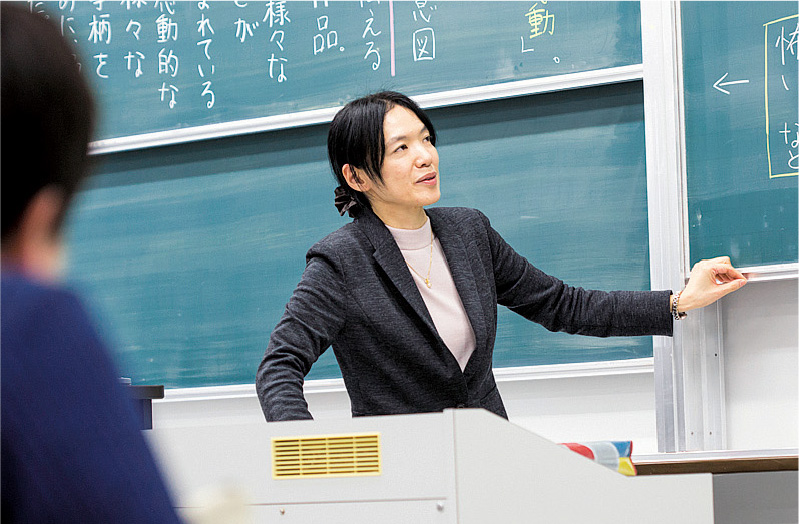
conveying Japan
Connecting with the world
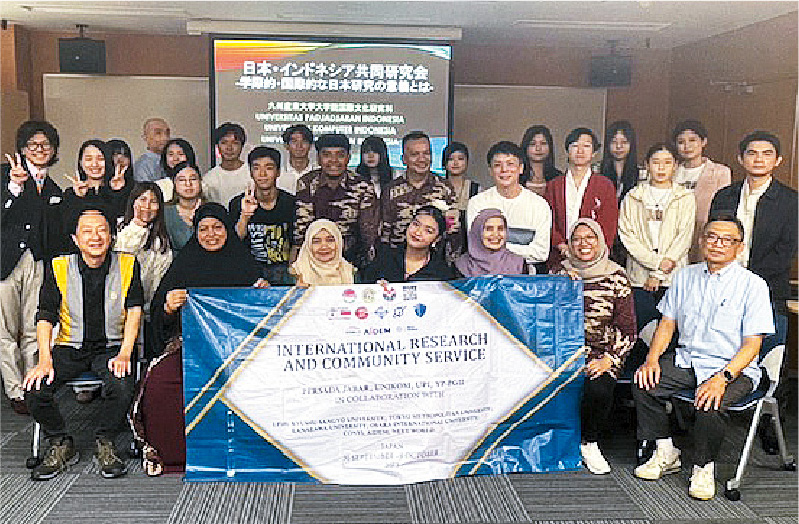
With the acceptance of foreigners becoming essential, the importance of Japanese language teachers—who also serve as intercultural communicators—is increasing. Take a step towards becoming a global citizen by learning about Japan internationally and interacting with people from around the world.
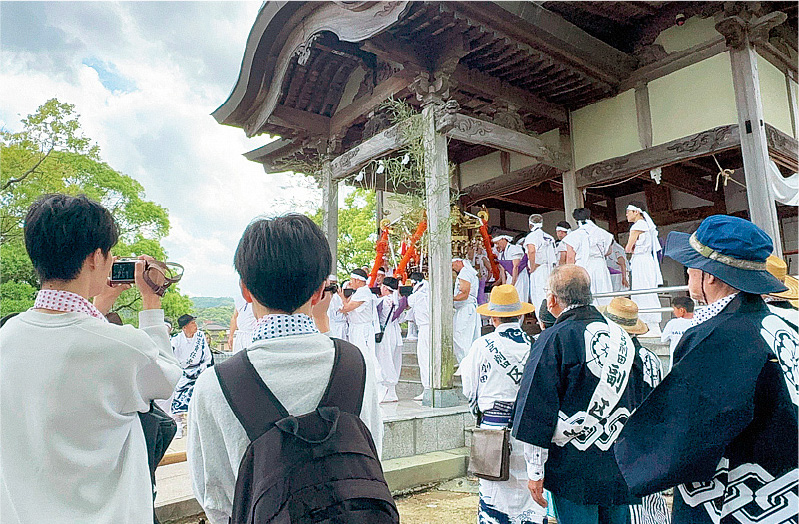
In folklore studies
Deepening our understanding of lifestyle and culture
Our folklore courses are also excellent! Folkloric cultural phenomena such as yokai (supernatural beings), folktales, and festivals are not just interesting. Through folklore, you can learn about the origins of everyday life, question them, and gain a perspective for recreating them.
Advanced Program
A support program that responds to motivation
Future Japanese Language Teacher Training Program
Our goal is to use passing the teacher recruitment exam as a stepping stone to becoming a trusted teacher by enhancing communication skills, teaching abilities, and intellectual capabilities.

Four-year learning process
Building a foundationin the first year
Using "Seminar I" as their home base, students will primarily take common subjects such as "Introduction to Japanese Culture," "Folklore," "Japanese Literature," and "Japanese Linguistics," striving to build a foundation for studying Japanese culture. In addition, courses related to Japanese language teaching, such as "Introduction to Japanese Language Education," will also be offered.
Second-yearseminar selection and acquisition of fundamental knowledge in a specialized field.
Through specialized subjects such as "Introduction to Classical Japanese Literature," "Introduction to Modern Japanese Literature," "Studies in Traditional Literature," and "Japanese Grammar," as well as practical classes like "Literary Field Surveys" and "Seminar I," students deepen their knowledge and understanding of Japanese culture in their own words. Furthermore, teacher training courses, such as "Methods of Teaching Japanese Language," begin in earnest.
Third-year studentsfurther deepen their research in their specialized field.
Students will engage in research through a curriculum that offers advanced specialization and diverse methodologies, including courses such as "Special Lectures on Japanese Literature," "International Japanese Studies," "Deciphering Cursive Script," and "Seminar I." In addition, qualification-related courses such as "Teaching Methods (Japanese Language)" and "Japanese Language Teaching Practice" are also offered.
Activities for the future (employment/further education) inthe fourth year
As the culmination of their studies, students write a "graduation thesis," completing their research findings on Japanese culture. Additionally, students aiming to obtain a teaching license will participate in "teaching practice."
Class Pickup
We interpret our insignificant stories as valuable resources for understanding people's lifestyles, cultures, and feelings.
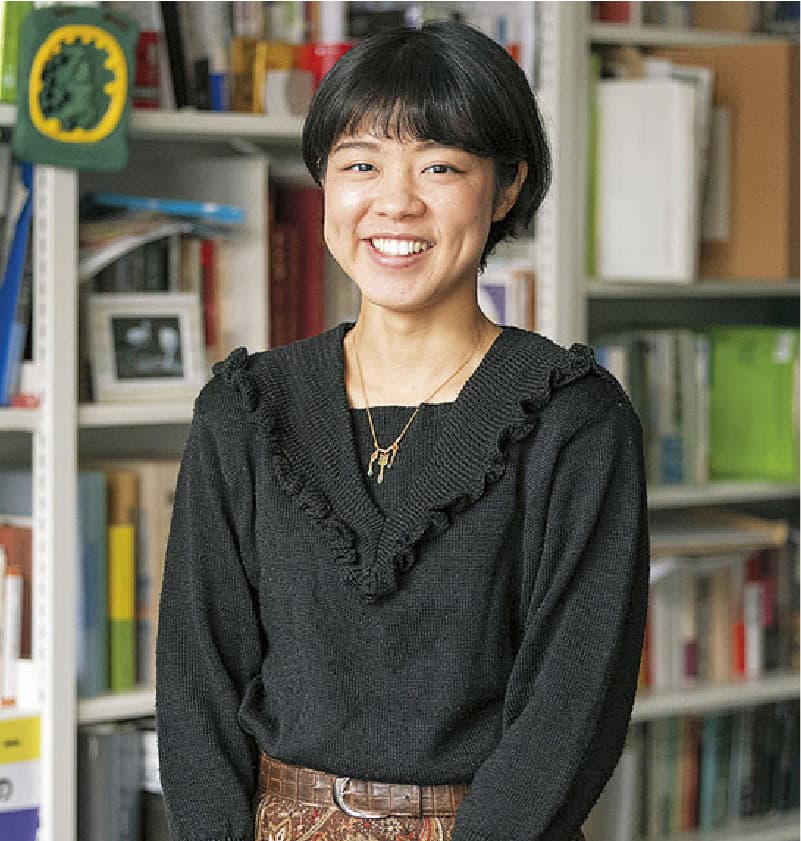
Theory of Folklore Literature
Akari Kawamatsu, Instructor
When you think of literature, you probably think of it as something written by famous authors. However, we talk to people every day and tweet on social media. Oral literature research in folklore has turned the insignificant stories of such nameless people into important material for learning about their lifestyles, cultures, and feelings. In this course, you will learn techniques for listening to each other's stories from the perspective of oral literature.
Seminar Pickup
Junichiro Sakai Seminar
Not the stereotypical "Japan"
Exploring "REAL JAPAN"
I am researching how Japan engaged in cultural exchange (school education, Japanese language education, books, videos, etc.) with Asia during the war. The lesson I learned is the danger of self-centered cultural exchange. There was a lot of friction as a result of not trying to learn the language and culture of the other country, and instead interacting with them based on our own culture and customs. Nowadays, it is common to work with people from different cultures. Why not try to learn these lessons?!
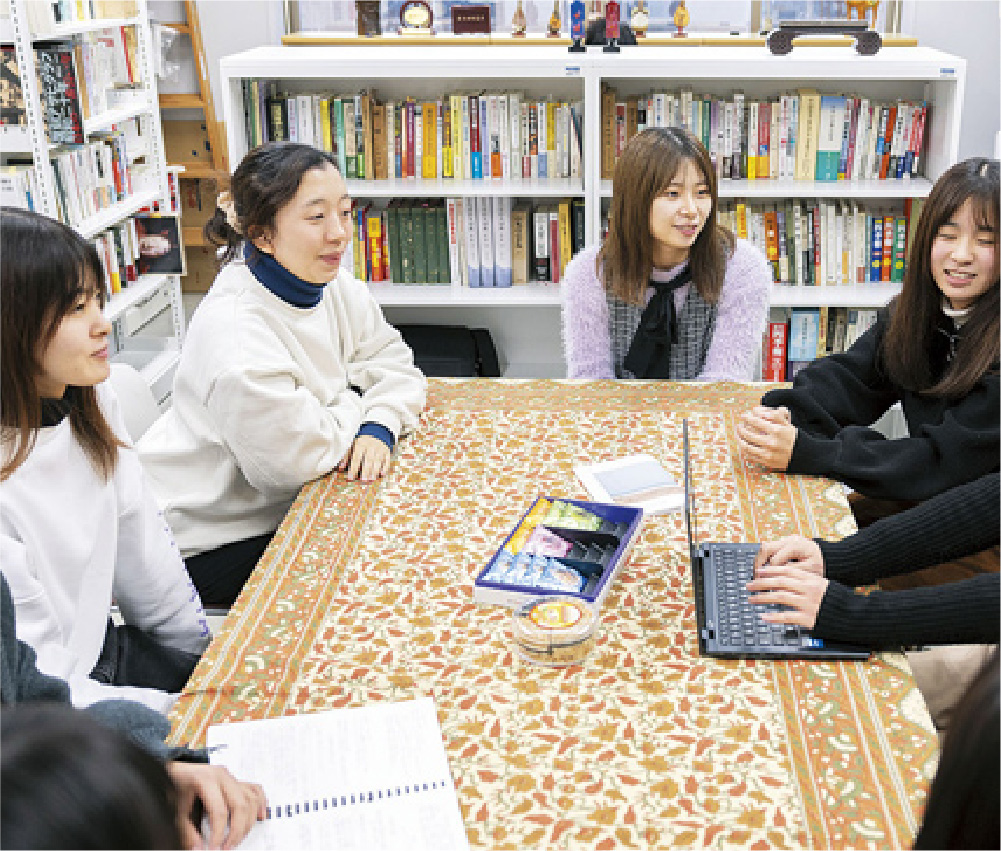
Seminar student voices
Saya Haraguchi
Ariake Shinsei High School/Fukuoka
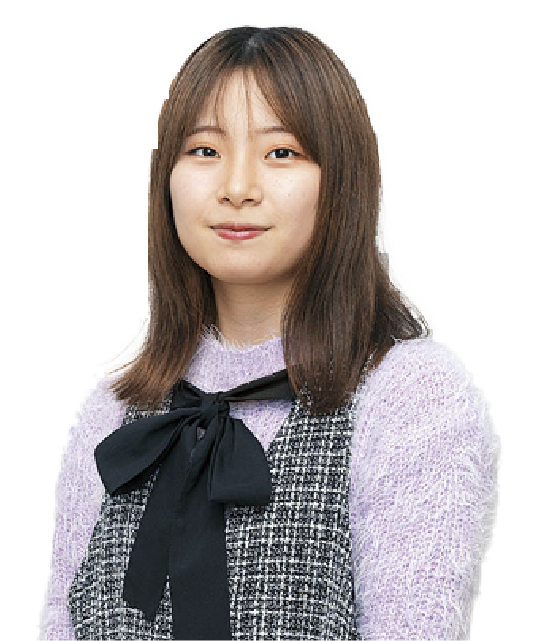
The conditions for a successful "Sangyo University student" are: 1) time management, 2) language skills, 3) a wide range of study in humanities, science, and arts, 4) interaction with domestic and international students, and 5) social activities with friends. This seminar is conducted with enthusiasm and fun. Let's aim to become "Sangyo University students" who overturn the public's opinion!!
Kei Sunaga Seminar
Based on a survey of temple and shrine records in northern Kyushu
Contribution to the local community
We visit shrines and temples in northern Kyushu (such as Shikaumi Shrine and Hikosan Shoyobo) and conduct highly specialized classes that cannot be achieved within the university by organizing, researching, and analyzing the valuable materials housed there. The research results of this project are provided not only to the shrines and temples that are researched, but also to the cultural property departments of local governments, contributing to the protection of cultural properties and cultural property administration in local communities.
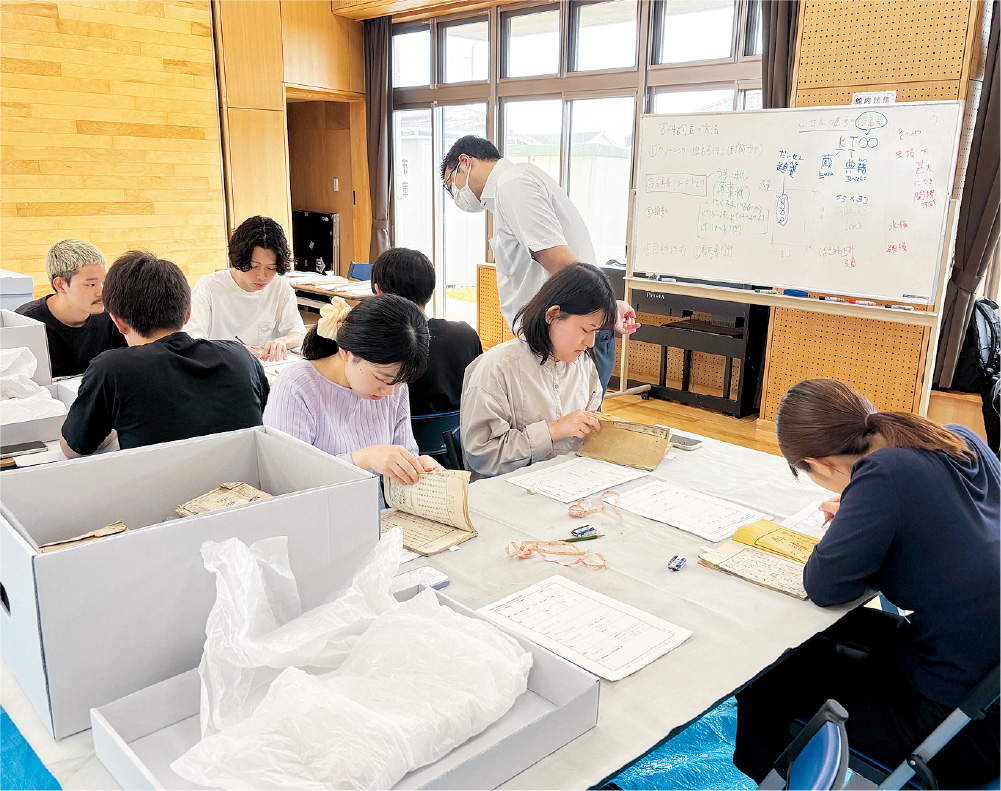
Seminar student voices
Mino Sazawa
Miyakonojo Izumigaoka High School / Miyazaki
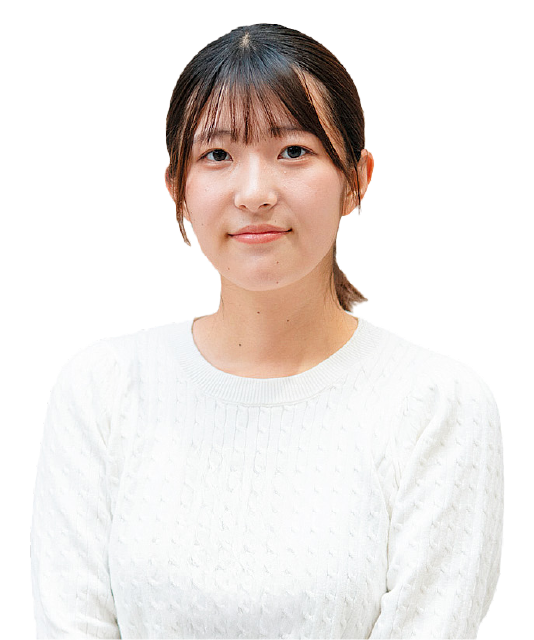
We visited Shikaumi Shrine and investigated the materials it houses. By organizing and analyzing these valuable materials, which we don't usually have access to in regular classes, we were able to learn practical and specialized knowledge together in a fun way.
Qualifications and career path data
Qualifications to aim for
- Junior High School Teacher's License (English)
- High School Teacher's License (English)
- Japanese language teacher*
- Curator
- Social education specialist (training course), etc.
*Regarding training programs for registered Japanese language teachers, an application is planned. (However, depending on the results of the review by the Ministry of Education, Culture, Sports, Science and Technology, the planned practical training (or training program) may not be established.)
Main Employment Destinations
- Junior high school teacher in Fukuoka Prefecture
- / Junior high school teacher in Fukuoka City
- / Junior high school teacher in Kitakyushu City
- / Elementary school teacher in Fukuoka Prefecture
- / Kyushu Sangyo University Affiliated Kyushu High School
- Higashi Fukuoka Gakuen Higashi Fukuoka High School
- / (School) Takamiya Gakuen Yoyogi Seminar
- Eishinkan Co., Ltd.
- / Zenkyoken Co., Ltd.
- Oita Prefectural Government
- Tottori Prefectural Government
- / National Hospital Organization Kyushu Group
- Kitakyushu Hospital (Medical Corporation)
- Saga Prefectural Agricultural Cooperative
- Kyushu Electric Power Co., Inc.
- Kyushu Railway Company
- Fukuoka Bank, Ltd.
- Fukuoka Hibiki Shinkin Bank
- Cosmos Pharmaceutical Co., Ltd.
- / AEON Kyushu Co., Ltd.
Graduate Interview
Miyu Yuasa
Yonago Nishi High School / Tottori
- Employment
- Tottori Prefectural Office
I took the curator training course and the teacher training course. I was attracted to both, so I decided to work at the prefectural government, where I could work with museums and educational institutions. I think this is a job where I can use the knowledge I gained about Japanese culture and literature in my classes.
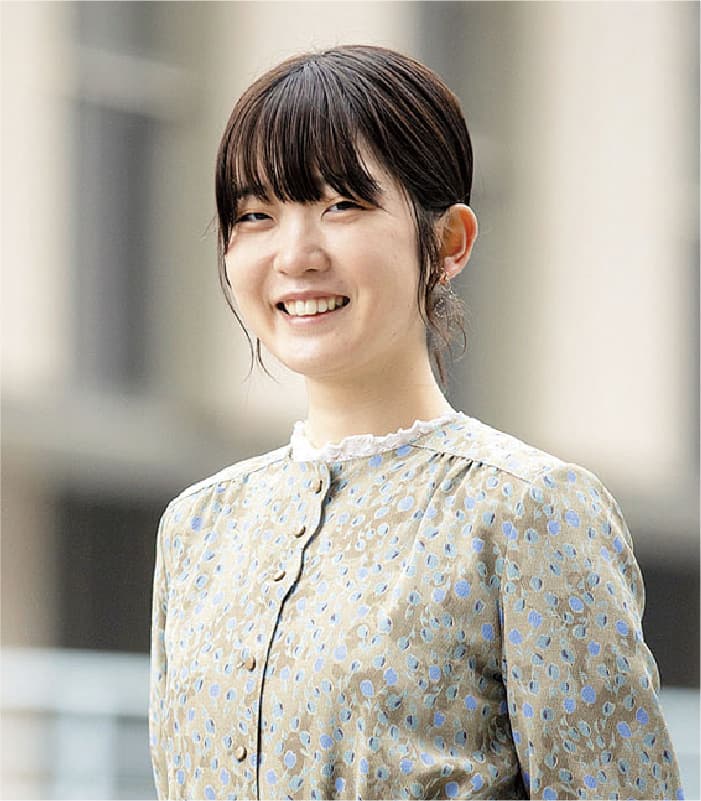
Nozomi Kuraju
Xavier High School / Yamaguchi
- Employment
- Fukuoka City Junior High School Teacher
The appeal of Department of Japanese Culture is that you can learn about Japanese culture from various angles, such as literature and folklore, and study it in depth. Now that I stand in front of the classroom as a Japanese language teacher, I want to convey the appeal of Japanese language to many students so that they will fall in love with it.
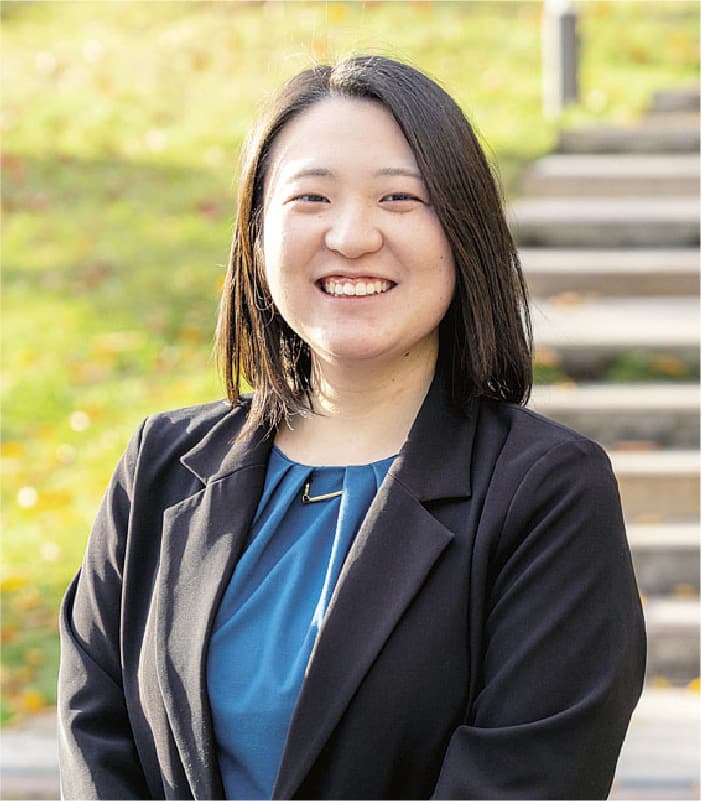
Mizuki Sato
Saga Kita High School / Saga
- Employment
- Kyushu Electric Power Co., Inc., Saga Area (Administrative and Sales)
My primary reason for applying was my desire to contribute to my hometown of Saga. While I was mainly looking for sales positions where I could utilize my communication skills, Kyushu Electric Power Company is close to me, and I strongly felt that I wanted to use and test my abilities there.

Yoshimi Furunaga
Baiko Gakuin High School/Yamaguchi
- Employment
- Kyushu Sangyo University University Graduate Graduate School of International Studies of Culture
Writing my graduation thesis has strengthened my desire to learn more, and I have decided to go on to graduate school. I want to work in education in the future, and I am aiming to obtain a teaching license for Japanese language in addition to my graduate studies.
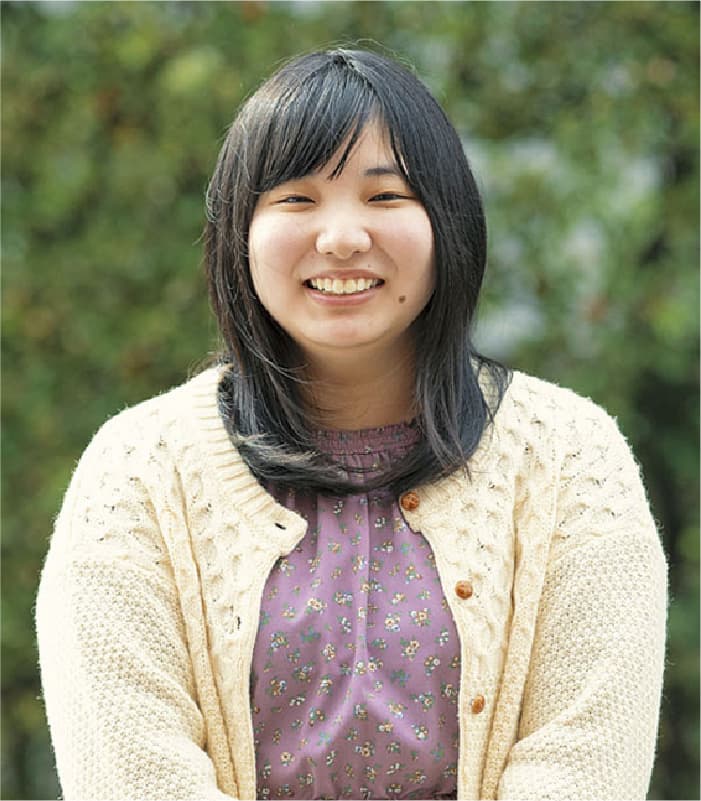
Hideka Horikawa
Koryo High School / Fukuoka
- Employment
- Japanese language teacher at a public school in Fukuoka Prefecture
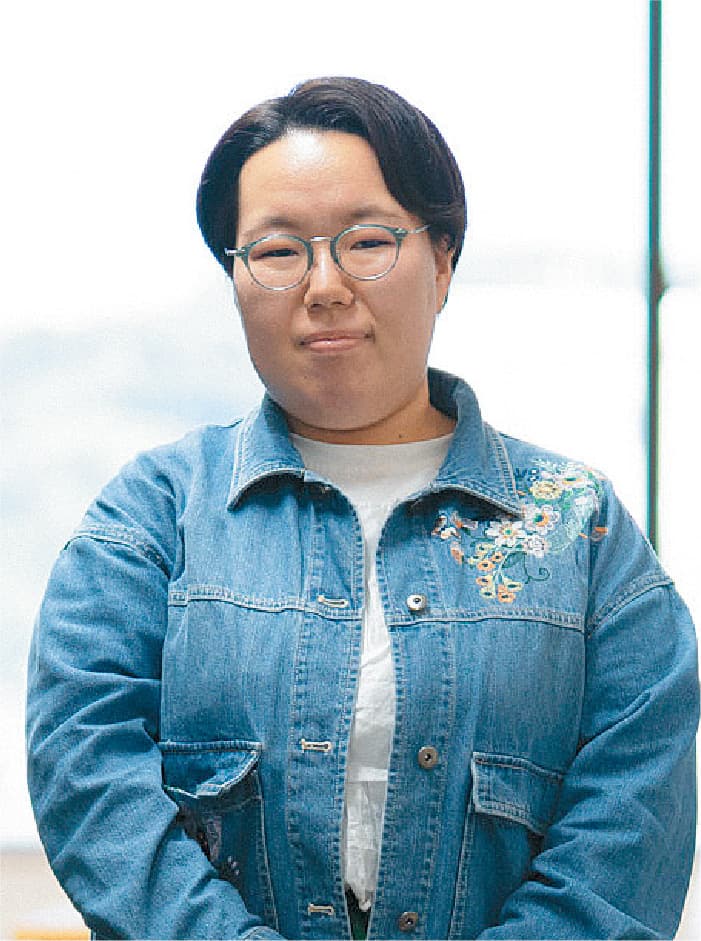
From my third year, I gradually started working on past exam questions and reference books for teaching aptitude and Japanese language. I practiced mock lessons and interviews many times with fourth-year students and teachers who belonged to the teacher training program. On the day of the exam, there were times when I was confused by questions that were different from past exams, but I taught the lesson to the best of my ability, and in the interview, I paid attention to my word choice and intonation, and clearly conveyed my thoughts. I think what was good was that I wasn't afraid of failure and gave it my all.

If you cannot view PDF files, please download Adobe Reader.