Faculty of International Studies of Culture
Department of International Studies of Culture

ABOUT
Department of International Studies of Culture
It's not just about becoming fluent in English.
Become someone who can think about the future of Japan and the world.
- #study abroad
- #ForeignCulture
- global
- Overseas Internship
- Overseas volunteer
- English teacher
- Japanese language teacher *
*Regarding training programs for registered Japanese language teachers, we plan to apply.
(However, depending on the results of the review by the Ministry of Education, Culture, Sports, Science and Technology, the planned practical training (or training course) may not be able to be established.)

ADMISSION
POLICY
- 01
To acquire advanced English proficiency,
Furthermore, those who are willing to learn other foreign languages - 02
Those who want to learn about foreign cultures and international affairs in a broad range of fields
- 03
Utilizing foreign language skills and knowledge of foreign cultures,
People who want to use their communication skills to play an active role in the international community.
Characteristics of the Department
Total Care System
Department of International Studies of Culture offers small-group seminars in all grades, from the first to the fourth year, creating an environment where faculty and students can carefully engage with each other. Through continuous dialogue, we support each student's journey by fostering a relationship where they can easily consult about their studies, student life, and career paths.
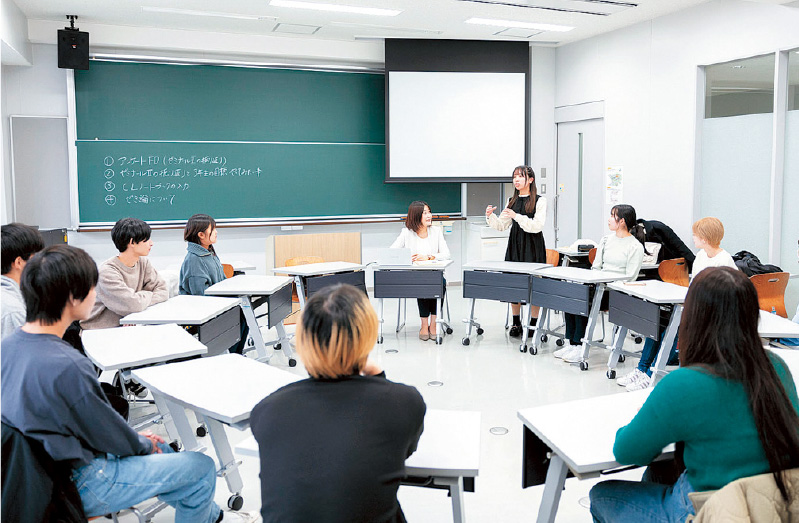
Creating the future through diverse research.
Department of International Studies of Culture brings together faculty members with expertise in a wide range of fields, including language, literature, philosophy, culture, education, and international relations. In their respective seminars, students can choose research topics according to their interests and explore them in depth under the expert guidance of faculty members. By encountering diverse perspectives and pursuing their own questions, students cultivate the skills to forge their own future.
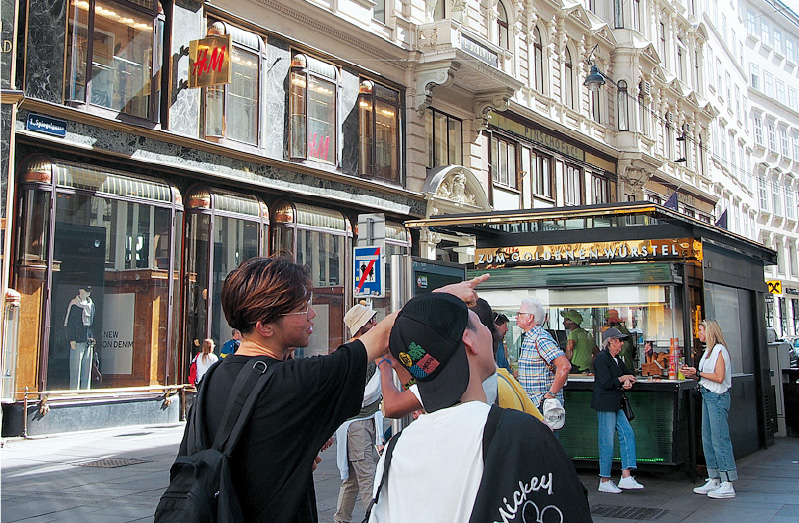
globally
Hone your skills to excel
Department of International Studies of Culture offers a curriculum that explores global social issues and intercultural understanding. Students develop practical skills through overseas field studies, collaboration with NGOs/NPOs and international organizations, and volunteer work. Through learning that connects campus with the world, students cultivate language skills and problem-solving abilities, fostering individuals who can thrive in the international community.
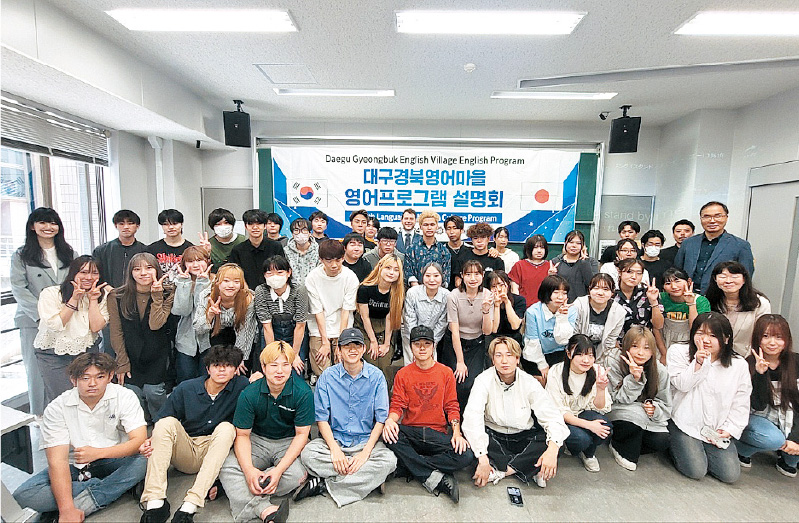
Advanced Program
A support program that responds to motivation
Future English Teacher Training Program
We are committed to developing individuals who can immediately contribute and excel in the field of education. This includes not only classroom learning within the university, but also numerous practical learning opportunities in collaboration with external organizations.
Four-year learning process
First year:Building a foundation for understanding international culture
Through university study skills training, students will acquire report writing and presentation techniques, building a foundation for proactive learning at university. They will steadily improve their English proficiency through twice-yearly English exams (CASEC) and AI-based learning apps, while deepening their foundational knowledge of Asian and Western cultures.
In your second year, broaden your horizons and experience the world.
Specialized courses in English communication and regional culture will begin in earnest. Students will improve their language skills by taking the TOEFL ITP exam and gain real-world experience of different cultures through overseas training. In Seminar II, students will begin specialized research based on their own interests and engage in fieldwork and presentations.
In their third year,students will deeply study their specialized field and build a foundation for independent research activities.
Students will take more advanced specialized courses to deepen their understanding of international culture. This is the year in which they can challenge themselves with overseas study, equipped with strong language skills and specialized knowledge. They will delve into their research topics in Seminar III and present their results at a joint presentation. They will also prepare for their graduation research while keeping job hunting in mind.
To deepen research conducted in the fourth-yearseminar and to summarize four years of learning.
I will work on individual research projects for graduation while simultaneously engaging in job hunting. My goal is to complete high-quality papers and research that will synthesize four years of learning and be useful in my life after graduation.
3 models
Language and Culture Pursuit Model
Practical education in the societies, cultures, and histories of Western countries.
Students acquire knowledge through representative subjects and conduct on-site research through "Overseas Field Studies" and "Overseas Training." They can pursue practical learning. High-quality research is conducted based on the experiences of senior students, including graduates, before embarking on overseas life.
GCP Model (Glocal Career Program)
Developing individuals who can thrive on the global stage
This program provides students with opportunities to interact with people both inside and outside their faculty, broadening their perspectives. Furthermore, a long-term benefit of this program is that it allows students to learn about and deepen their understanding of global social issues, enabling them to share their knowledge with the world not only during their studies but also after graduation.
AEL Model (The Academy for Educational Leadership)
Required on the global stage
Developing language skills and leadership skills
This program helps students who want to utilize their English skills in the future to improve their skills and build confidence. Our instructors, with extensive overseas experience, support students who aspire to build careers that combine language proficiency with leadership skills.
Class Pickup
English based on word order characteristics
Unravel
Introduction to English Linguistics
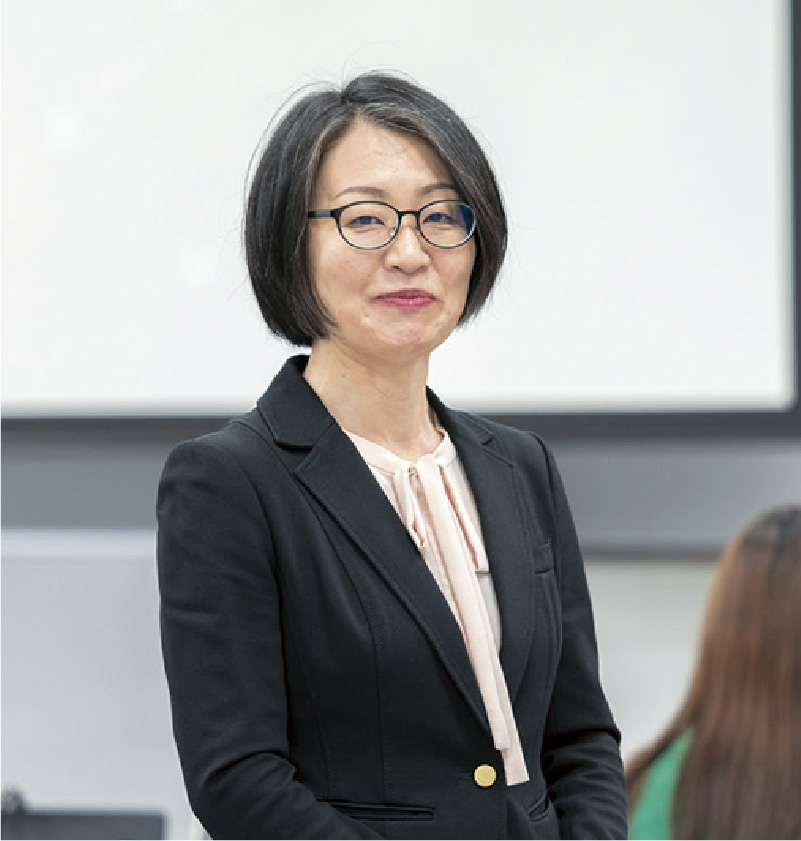
Professor Kaori Miura
In this lesson, we will explore the characteristics of English word order. The English sentence "I met Ken" makes sense, but "Met I Ken" and "I Ken met" do not. On the other hand, "Ken I met" (I met Ken) is understandable, although it has a slightly different meaning from the first sentence. Why does English have such differences in word order? What about in Japanese? In this lesson, we will incorporate the theory of "generative grammar" and use a "word analysis machine" called a tree diagram to uncover the characteristics of English word order.
The teaching skills required of English teachers
Hands-on learning
English Education Method B
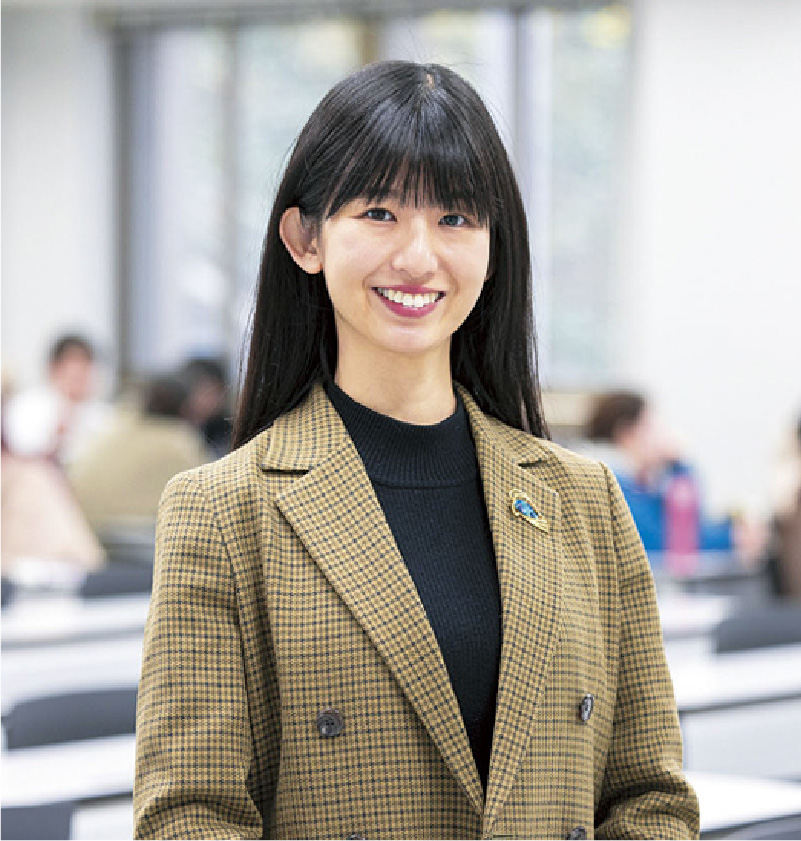
Instructor: Kaori Yamazaki
This course, one of the subjects related to English language teaching, teaches the latest knowledge on second language acquisition and English language education, as well as the techniques to apply that knowledge in the classroom. Even if you are fluent in English, that doesn't necessarily mean you can teach English well. We will prepare you to enter the field of education as a professional with a wide range of knowledge, including not only the language itself, but also the culture behind it and specific teaching methods. In addition to the transmission of knowledge, we place importance on practical learning through discussions with other students and conducting mock lessons that apply what has been learned.
Seminar Pickup
Tomoko Shimizu Seminar
Examining various aspects of American culture
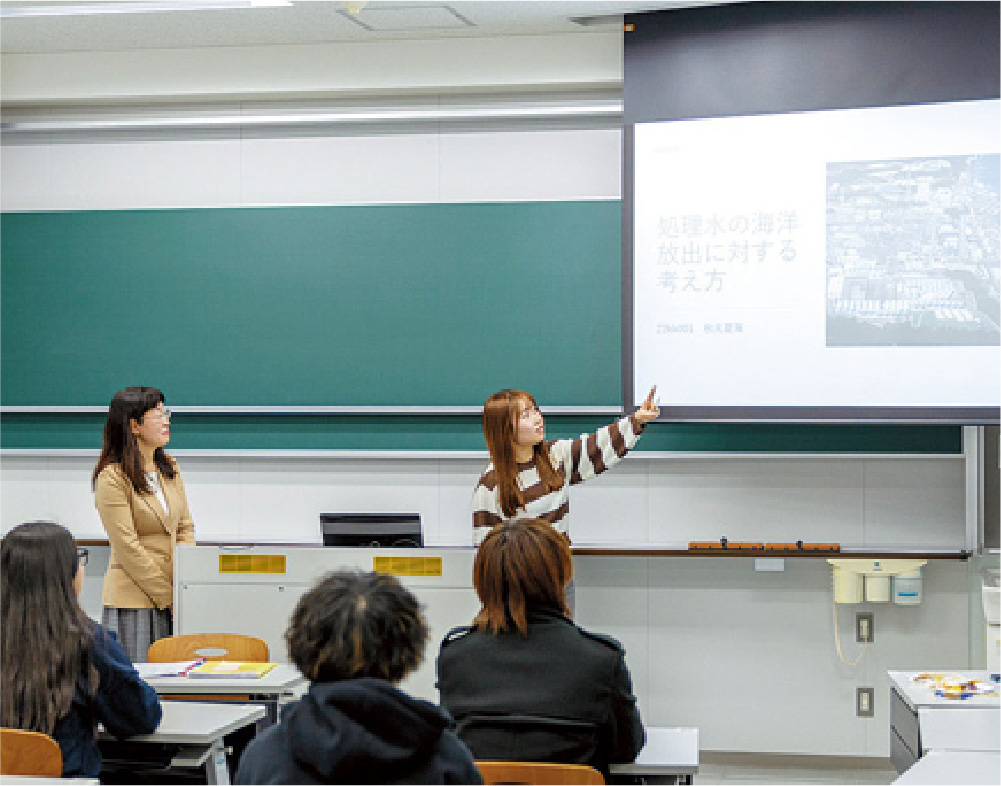
In this seminar, we will explore social issues in America, a country where the world converges, by experiencing various aspects of American culture. We will present research findings on topics such as the various facets of American heroes, food culture, environmental issues, racial issues, Disney films that reflect society, artists who address social issues, and revisionist historical perspectives.
Seminar student voices
Chiharu Mukai
Masuda High School/Shimane
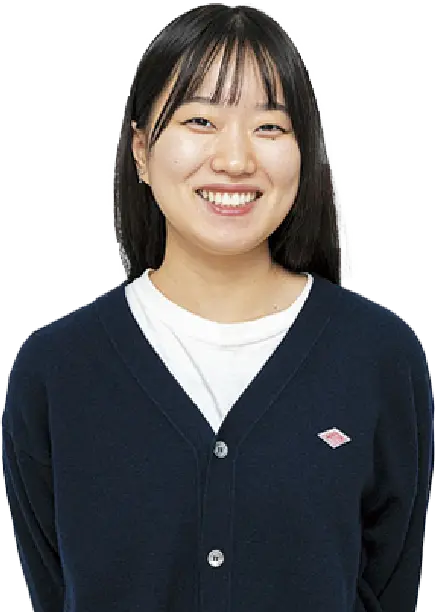
We will study American literature and history. Based on a topic of interest, we will present our research on the background and current situation of America from a wide range of perspectives, deepening our understanding together.
Sayaka Akiho Seminar
Imagine/create the future through international cooperation.
Through fieldwork both in Japan and overseas, students will directly listen to people's voices and explore issues surrounding intercultural and international cooperation from an anthropological perspective. Students will be independently involved in everything from seminar management to deciding on research themes, planning and conducting surveys, presenting results, and writing papers, thereby cultivating comprehensive abilities. Let's explore together new perspectives for confronting intercultural issues facing modern society!
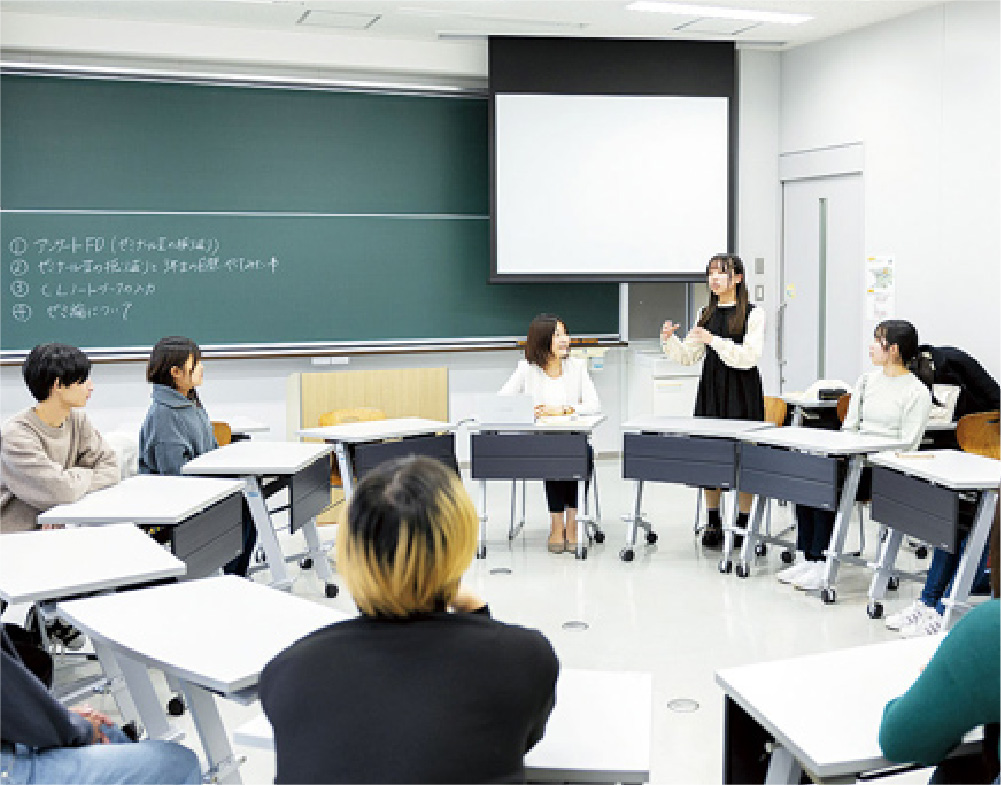
Seminar student voices
Aoi Taniguchi
Kyushu Sangyo University
Kyushu High School/Fukuoka
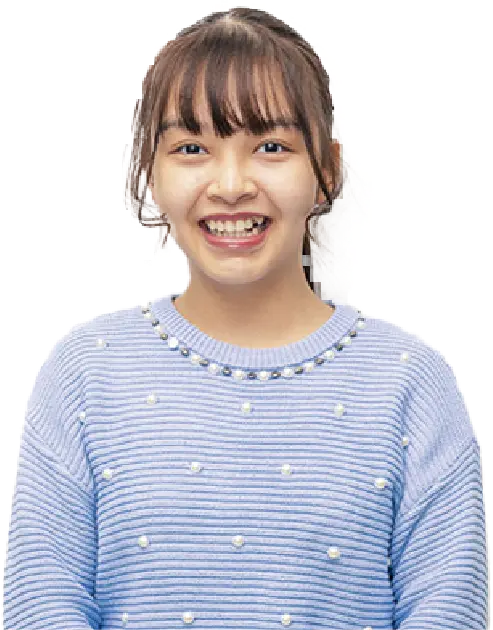
This seminar will deepen your understanding of "international cooperation" through literature research and fieldwork. Each participant will be able to develop their own interests into research and exchange opinions to create something better!
Yuya Higuchi Seminar
Let's look at it from the window of philosophy.
Our aim is to examine and deeply understand our lives and society from a philosophical perspective. We use philosophical books and short texts as common texts, and students read through them together, explaining their assigned sections to each other. At the same time, we practice organizing and communicating our thoughts through discussion. In addition, each student sets their own main question, collects related materials, and reports on the materials they have found and the progress of their research.
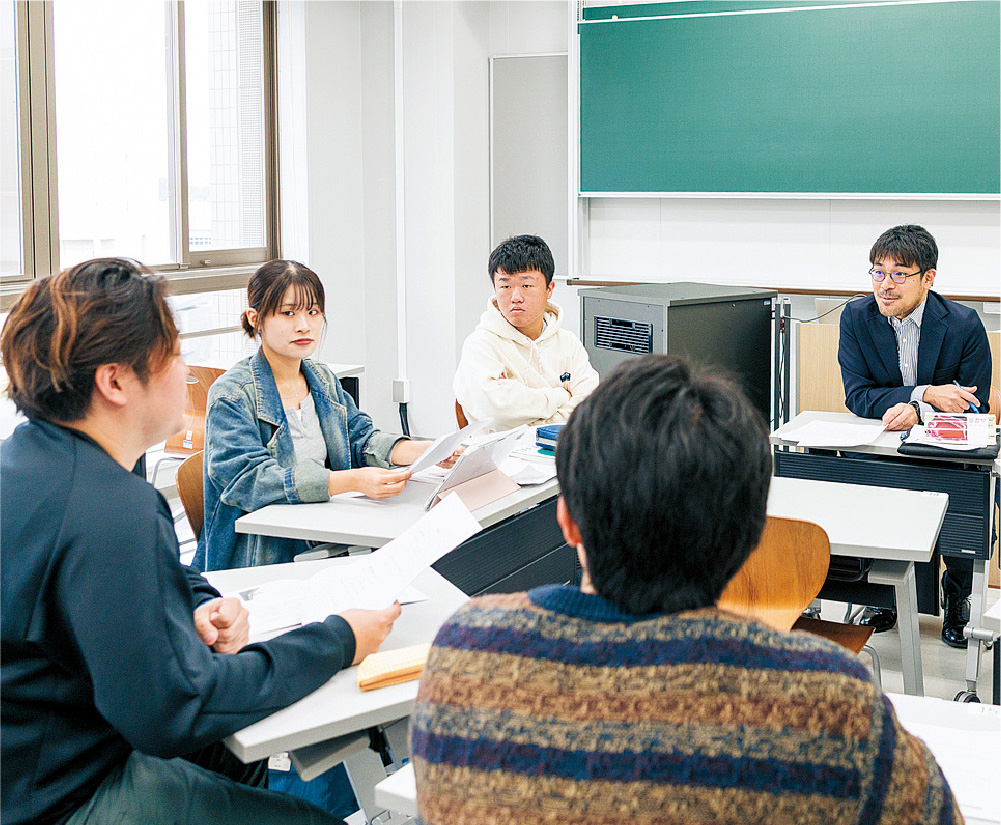
Seminar student voices
Koyo Kakaku
Yahata High School/Fukuoka

In our seminar, we use literature and materials to question things we usually take for granted (our own desires), and engage in in-depth discussions with other seminar members. Currently, each of us is working on our graduation theses, conducting research and analysis on topics of interest, and striving to improve the quality of our research through friendly competition with our peers!
Owari Mitsunori Seminar
The world is full of knowledge.
We engage in activities that examine various aspects of society from a humanities and social science perspective. University is not just a place to absorb knowledge; it's also a place to experience and gain insights through extracurricular activities and hobbies. In seminars, students build their own academic disciplines based on the knowledge and experience they have cultivated, using their own perspectives and abilities. Through this intellectual practice, they develop the ability to think for themselves and communicate in their own words.
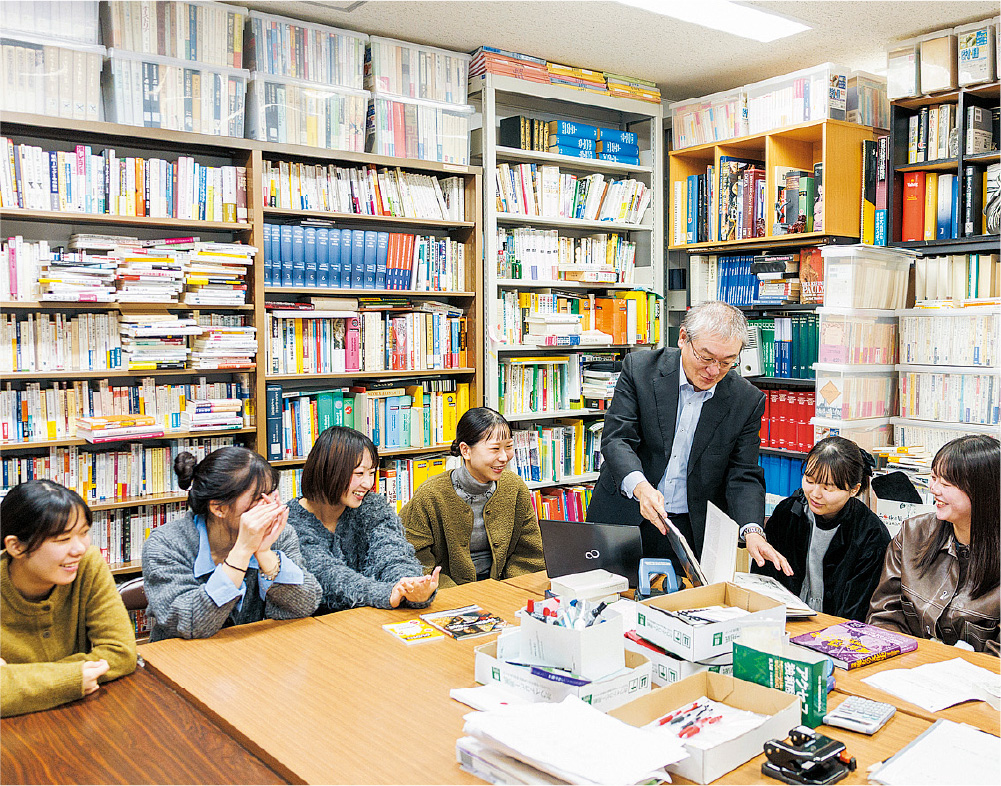
Seminar student voices
Airi Katayama
Kitachiku High School/Fukuoka
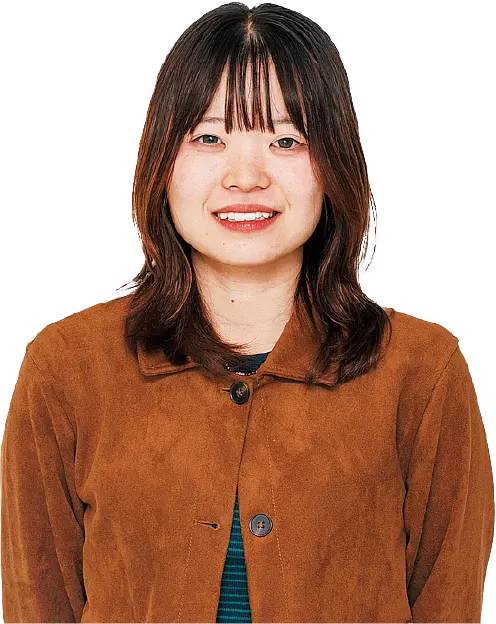
In our seminar, we research various aspects of society. We learn about topics that interest each of us, exchange opinions, and deepen our understanding. Furthermore, through group discussions, we can cultivate empathy, negotiation skills, and other abilities.
Qualifications and career path data
Qualifications to aim for
- Junior High School Teacher's License (English)
- High School Teacher's License (English)
- Japanese language teacher*
- Curator
- Social education specialist (training course), etc.
*Regarding training programs for registered Japanese language teachers, an application is planned. (However, depending on the results of the review by the Ministry of Education, Culture, Sports, Science and Technology, the planned practical training (or training program) may not be established.)
Main Employment Destinations
- Junior high school teacher in Fukuoka Prefecture
- / Kagoshima Prefecture Junior High School Teacher
- Yamaguchi Prefectural Government
- / Tsuruishi Gakuen School Corporation
- Nakamura Sangyo Gakuen (a school corporation)
- Fukuoka Bank Co., Ltd.
- / Nishi-Nippon City Bank Co., Ltd.
- / Accenture Ltd.
- JAL (Japan Airlines)
- Nippon Ryoko Co., Ltd.
- Tobu Top Tours Co., Ltd.
- T-Joy Co., Ltd.
- Shibuya Television Co., Ltd.
- Daito Kentaku Leasing Co., Ltd.
- Nippon Ceremony Co., Ltd.
- / AEON Kyushu Co., Ltd.
- MoonStar Co., Ltd.
- The Ritz-Carlton Fukuoka
- Yanagawa Tourism Development Co., Ltd.
- Huis Ten Bosch Co., Ltd.
- J-Wave Co., Ltd.
Graduate Interview
Shoru Ishiguro
Kyushu Sangyo University Affiliated Kyushu High School / Fukuoka
- Employment
- JR Kyushu Hotels and Resorts Co., Ltd.
I chose this job because I wanted to convey the charm of Japan to foreign tourists and provide them with the highest level of hospitality. I will work hard to improve my language skills and customer service abilities, aiming to become a hotelier that makes guests want to return.
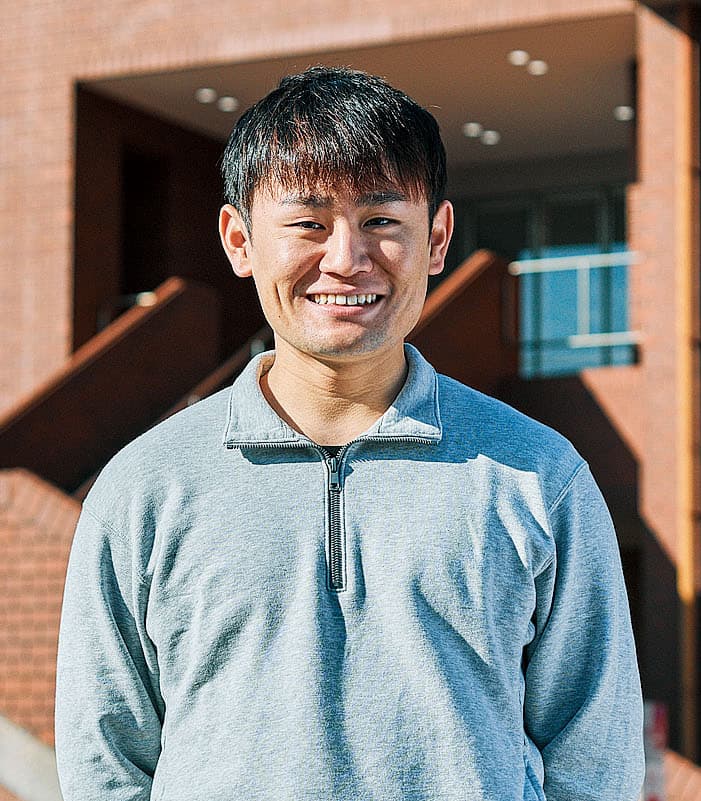
Karen Hayashi
Keiai High School / Fukuoka
- Employment
- Junior high school teacher (English) in Kitakyushu City
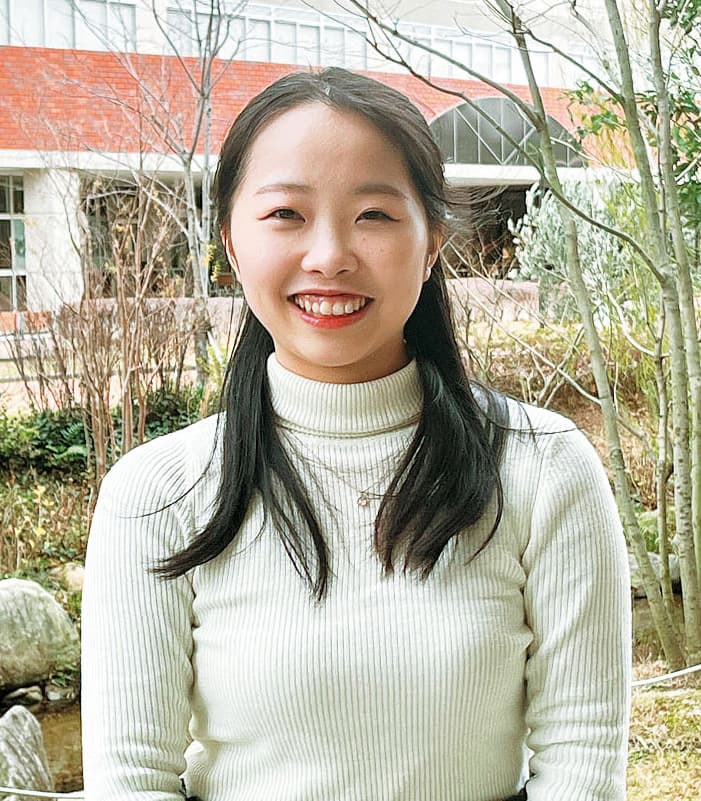
My goal is to continue working with passion as someone involved in language in an increasingly globalized world. As a teacher, I have a strong desire to contribute by passing on my experience to the next generation, but at the same time, building my own career is also my dream.

If you cannot view PDF files, please download Adobe Reader.