Faculty of Architecture and Civil Engineering
Urban design
Engineering Department

ABOUT
Department of Civil and Urban Design Engineering
To consider people's lives. To connect with nature.
It's all "urban design."
- #GreenInfrastructure
- #EnvironmentalGreening
- #communitydevelopment
- # Regional and urban disaster prevention
- #Civil Engineering Design
- #landscape

ADMISSION
POLICY
- 01
Creating a sustainable environment, and being resilient to disasters.
To create a safe, secure, beautiful, and livable city - 02
People who can consider things from multiple perspectives and organize their own thoughts
- 03
People who have outstanding abilities in the field of urban design engineering
Characteristics of the Department
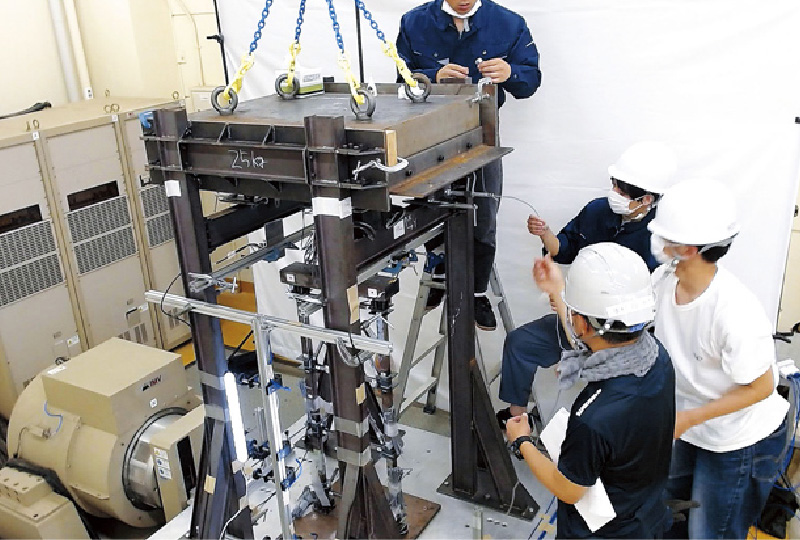
Preparing for disasters
We will consider technologies for building public facilities that support economic and social life and form the foundation of society, as well as measures against large-scale disasters. The photo shows a shaking table experiment simulating the collapse of a bridge due to an earthquake.
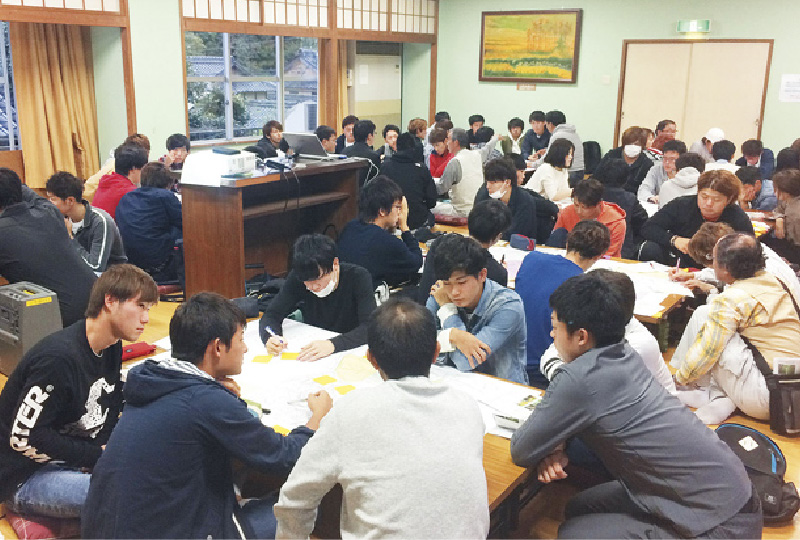
Sustainable urban development
Participants will acquire design and planning skills that utilize the local culture and nature. The photo shows a workshop held by local residents, government officials, faculty members, and students of our university.
Green infrastructure
Utilization
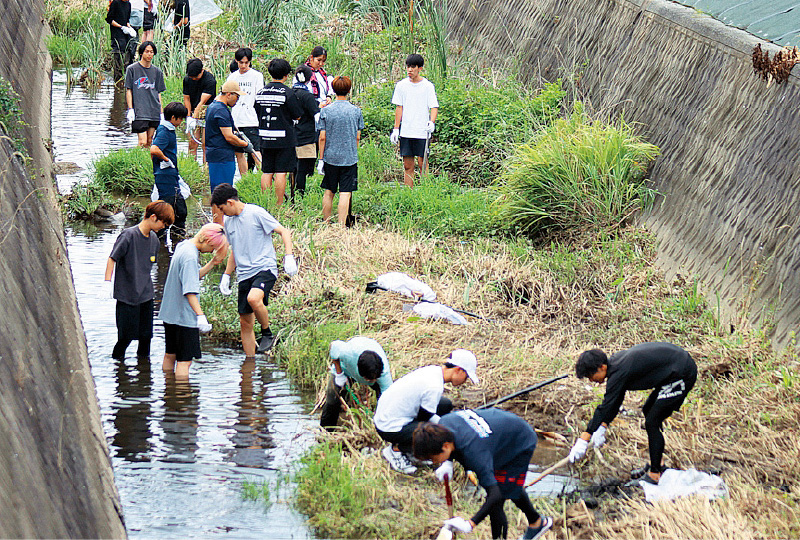
We will learn about green infrastructure, which intelligently utilizes the diverse functions of nature. The photo shows students planning and implementing environmental improvements for the Karahara River in the "Green Infrastructure Theory" course.
Advanced Program
A support program that responds to motivation
Blessings and disasters of nature
Practical education that helps you find a compromise
Support for developing an appropriate career
By creating a collaborative platform where local residents, businesses, government officials, and students can work together to develop plans, explore solutions to problems, and implement them, we aim to broaden the options and scope of future involvement in public works projects.
Four-year learning process
Building a foundation for learningin the first year
This course covers the knowledge necessary for studying urban design engineering. It also includes courses designed to bridge the gap between high school and university studies.
Building a foundation for specialized learningin the second year
The curriculum primarily consists of required subjects, such as specialized courses in mechanics. There are also courses designed to help you plan your studies with your future career in mind.
Deepening specialized learningin the third year
The curriculum includes many practical training courses, and students learn a wide range of subjects through elective courses. There are also department-sponsored internships. Students are assigned to research laboratories from the second semester.
4th yearIn the future (employment/further education)
Activities toward
Activities toward
The main focus will be on graduation research. Through this research, students will acquire comprehensive engineering design skills that are essential in practical work.
Select from the third year
Applied Course in Urban Design Engineering
Students who meet the requirements for the subjects they have acquired by the end of the second year can select the Urban Design Engineering Application Course from the third year. Students who graduate after acquiring the designated subjects in the Application Course will be considered to have completed the JABEE Course.
Class Pickup
Utilizing the experience and wisdom of local people
Learn how to solve local issues
Urban Planning Seminar
Professor Sanpei Yamashita
There is a demand for urban development that utilizes the experience and wisdom of local people. Simply applying a uniform system across the country will not allow for urban development that is suited to the individuality and uniqueness of each region. In this seminar, students will review the methods and significance of urban development, and then think about urban development together based on examples of parks, disaster prevention, redevelopment, and more. They will visit nearby target sites and exchange opinions with local governments and residents. They will investigate the history and current state of the town, discuss a vision for the future, and attempt to make proposals. In this way, they will develop the ability to think about local issues in a collaborative manner.
Construction materials that are closely related to infrastructure development
Experience the characteristics through experiments
Construction materials experiment
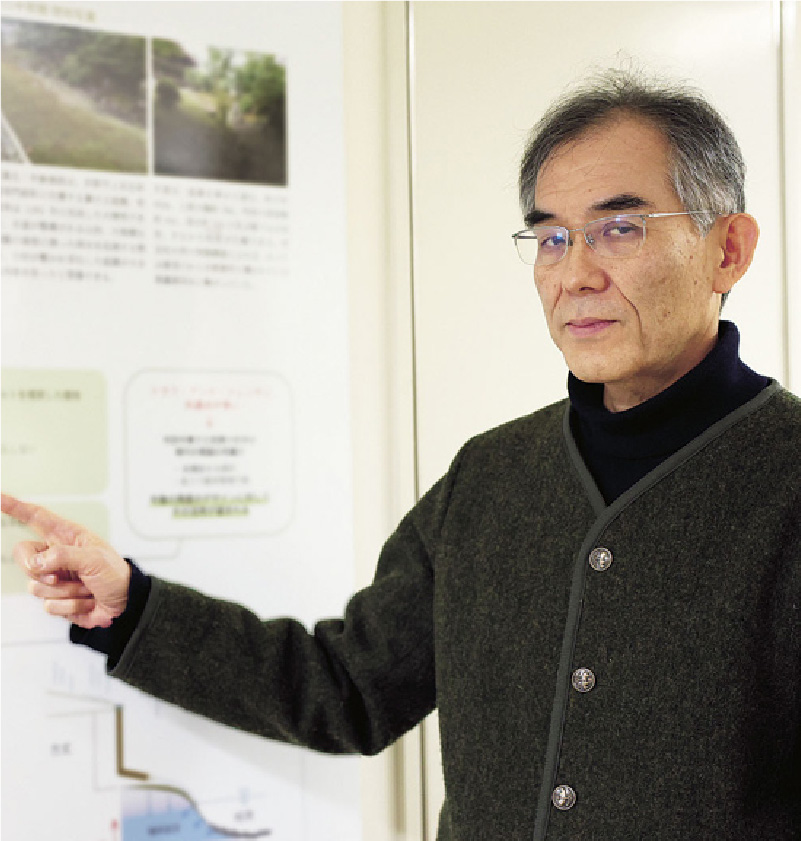
Professor Yasuhiro Hayashi
Experiments will be conducted on soil, aggregates, concrete, wood and steel, which are materials closely related to the construction of infrastructure such as roads, waterworks, dams, tunnels and bridges that are the foundation of our lives and industrial activities. Students will be able to experience the properties of materials through standard-based experiments. In addition, by organizing the results of experiments, students will be able to deepen their understanding of the theories learned in lectures, as well as acquire the ability to accurately grasp phenomena and write reports. Since experiments are conducted in groups, students will also be able to acquire the ability to work collaboratively with others.
Seminar Pickup
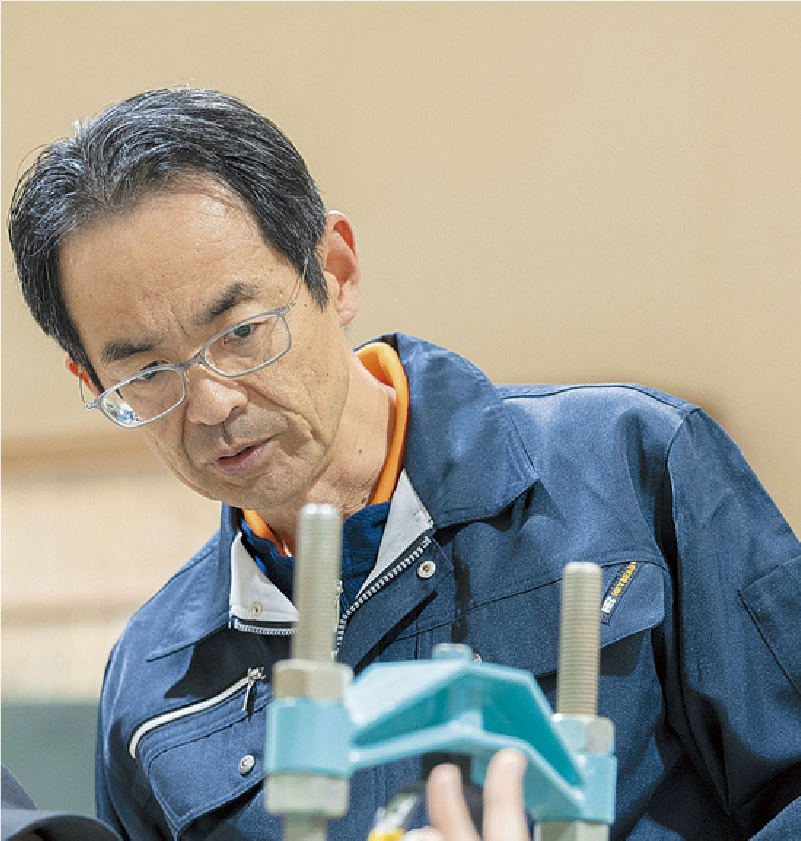
Yasuzo Uchida Seminar
Harmony with the natural environment
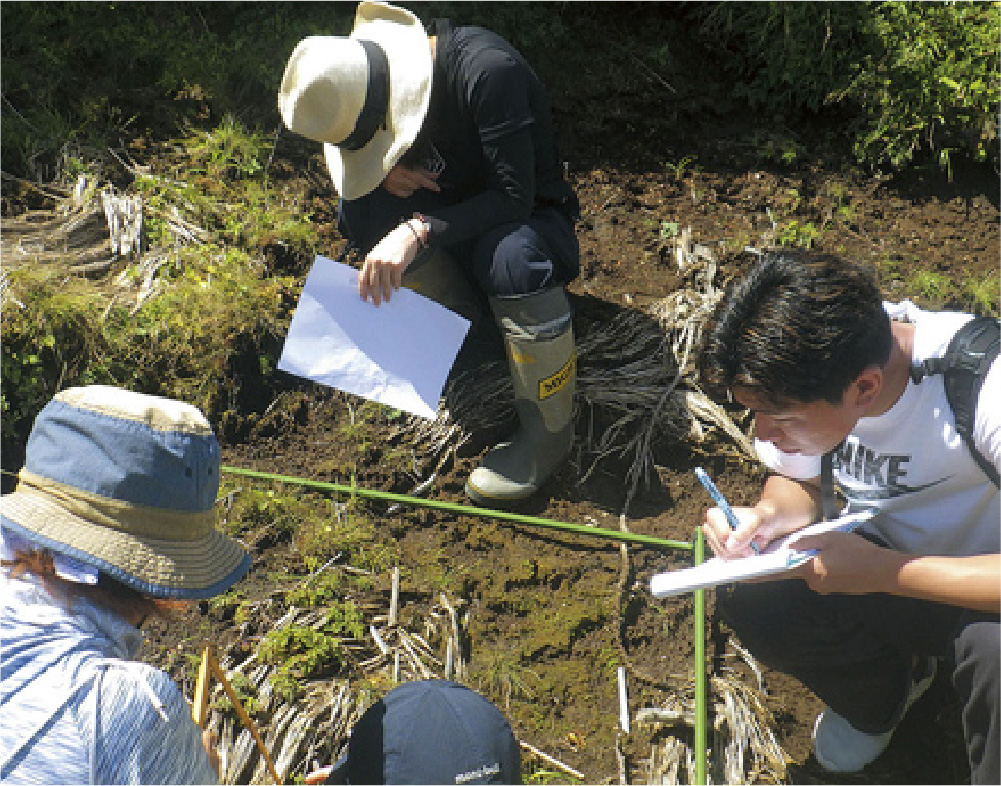
To realize a safe, secure and sustainable local community, it is essential to promote the development of social infrastructure and to maintain harmony with the natural environment (preserving biodiversity and restoring the health and functionality of ecosystems). Uchida's seminar is conducting research on methods that contribute to this issue from an ecological perspective. For example, seminar student Onimaru is investigating greening methods that take into consideration the local ecosystem in order to repair collapsed slopes in national parks.
Seminar student voices
Subaru Onimaru
Tomeikan High School/Saga
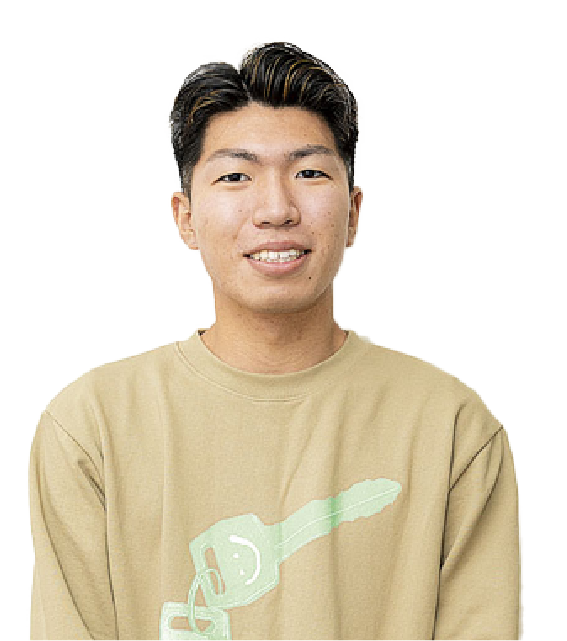
With the aim of conserving biodiversity in the Aso-Kuju region, we have had many discussions with industry, government, and academia about how to green the area while taking into consideration the region's genetic makeup. Through my graduation research, I was able to meet many different people and learn about different perspectives and ways of thinking.
Tadashi Yamada Seminar
Research into protection from natural disasters
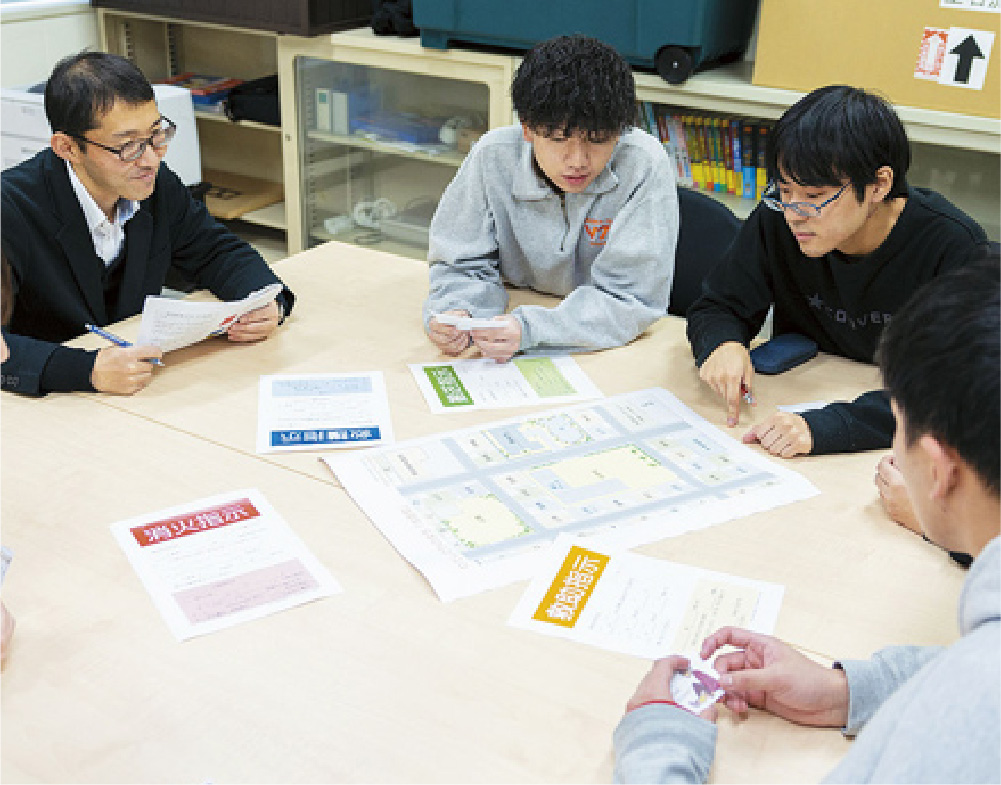
Japan is prone to natural disasters, and has a long history of disaster response and countermeasures. In this seminar, we conduct research aimed at improving disaster preparedness and the ability to act appropriately during and after disasters by clarifying the actual behavior of people and organizations during disasters and analyzing lessons learned from past disasters. In 2023, we analyzed the evacuation behavior of residents during a landslide in Kurume City and investigated the actual activities of volunteer storytellers involved in the eruption of Mount Unzen.
Seminar student voices
Honoka Nomiyama
Kaho High School/Fukuoka
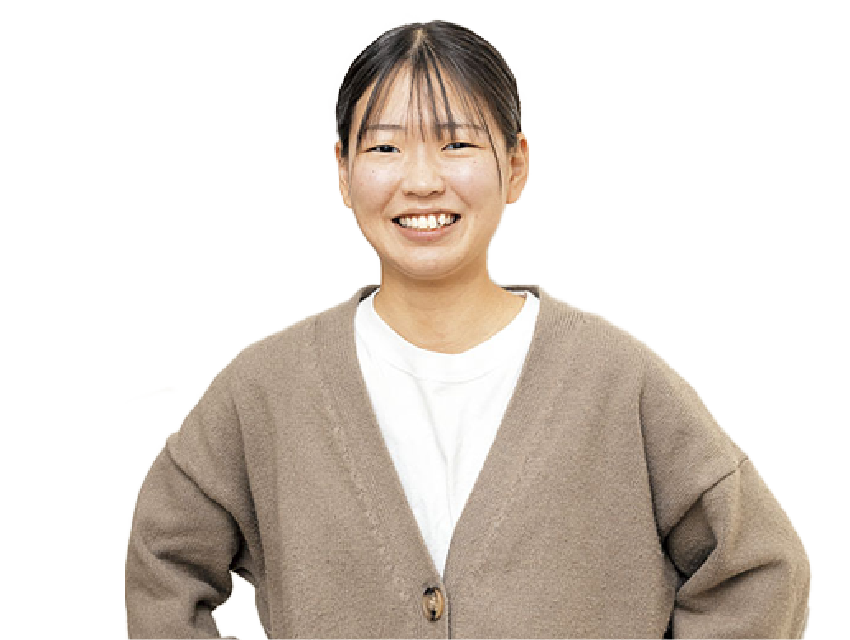
In the seminar, you can learn about disaster prevention in a wide range of areas, such as listening to stories from disaster survivors and participating in disaster prevention drills. In addition, the seminar is attended by friends who are interested in disasters and disaster prevention, and many of these people become public servants because they want to contribute to the realization of a safe and secure society.
Hiroki Iyooka Seminar
Understanding our local water environment and taking small steps to improve it!
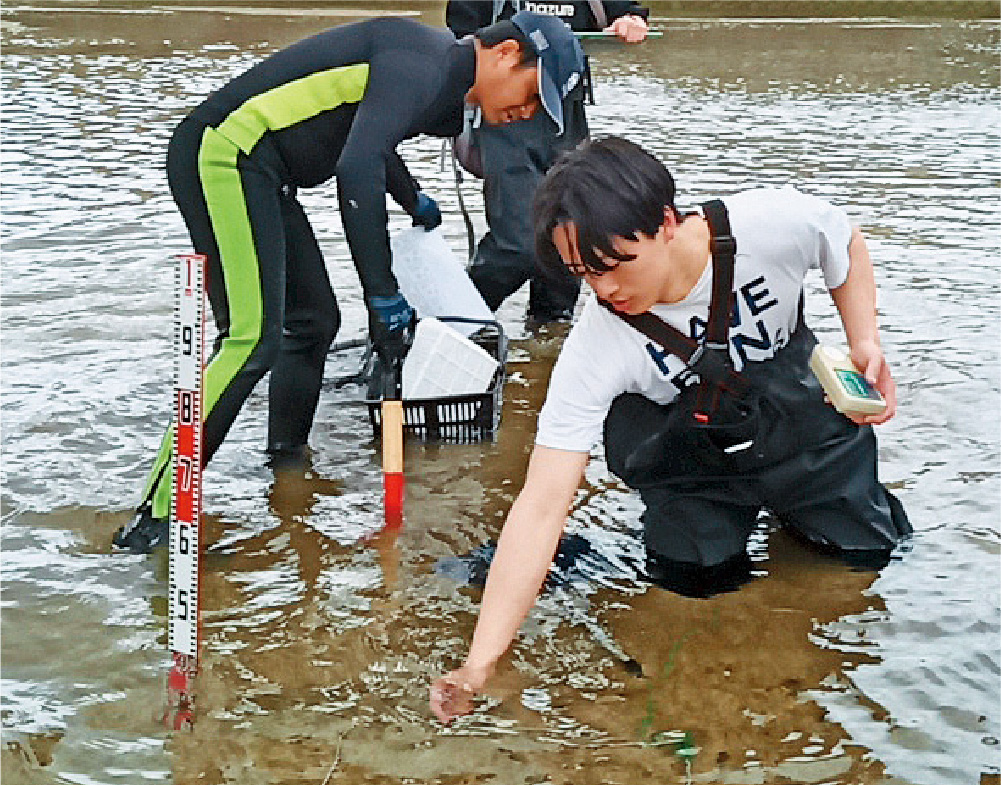
In this seminar, we will explore topics related to aquatic environments that have been attracting attention in recent years through literature reviews and presentations. We will also collect biological samples and conduct physical environmental surveys in nearby locations such as the Karahara River and Wajiro Tidal Flat, and acquire the survey and analysis skills necessary for our graduation research by compiling the results into a GIS (Geographic Information System). Based on this knowledge, we will also carry out improvements to local gravel boundaries as a "small-scale natural restoration."
Seminar student voices
Hide Nakayama
Okawa Shofu High School
Fukuoka
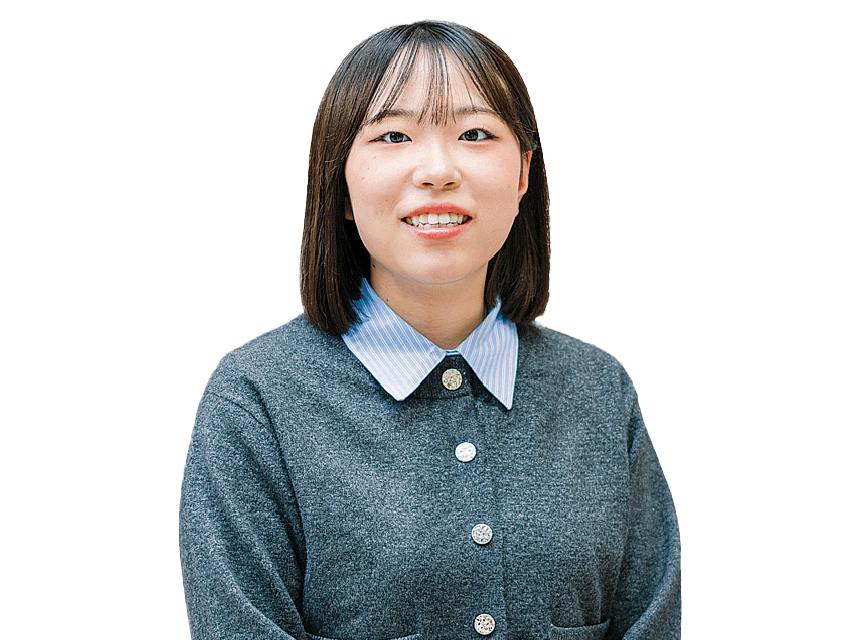
In our research lab, we study the relationship between nature and humans, with water as our theme. Focusing on water environments such as rivers and coastlines, we address regional issues from diverse perspectives, including disaster prevention, habitats for living organisms, and everyday use. A particularly appealing aspect of our research is that we also explore concepts such as green infrastructure that utilizes the power of nature and basin-wide flood control. This research lab is recommended for anyone interested in water and nature.
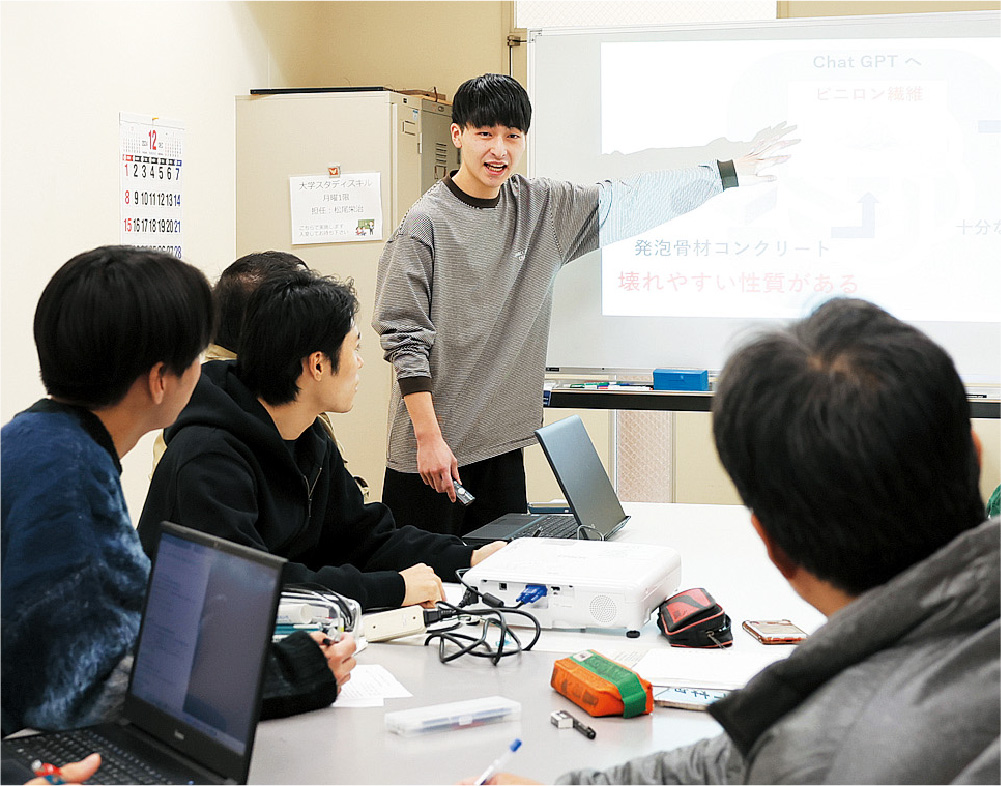
Eiji Matsuo Seminar
Back to the basics
The materials used in concrete (especially aggregates) are becoming more diverse from an environmental protection perspective, and an increasing number of materials can no longer be used under previous standards. In the Matsuo Seminar, we are going back to basics to re-examine the applicability of conventional standards and considering ways to apply them to current materials. We are also re-evaluating bamboo-reinforced concrete, which was used during wartime, and reassessing its advantages as an environmentally friendly concrete structure through experiments.
Seminar student voices
Ren Iikeya
Kagoshima Technical High School / Kagoshima
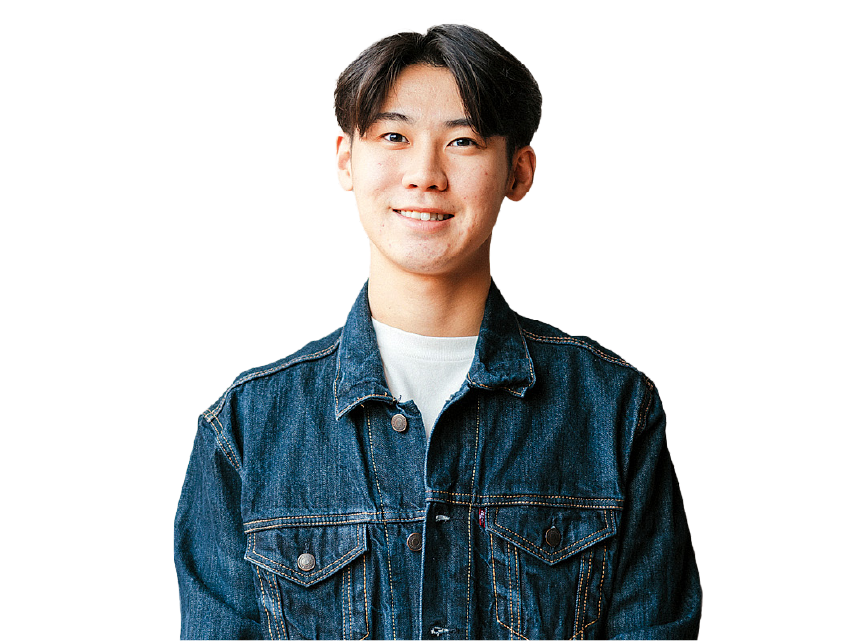
Concrete is one of the most important materials supporting society, such as roads, bridges, and buildings. Through experiments, you can learn about the behavior of concrete firsthand. Teamwork will be strengthened as you conduct experiments collaboratively in the seminar. Recommended for students who enjoy experiments.
Qualifications and career path data
Qualifications to aim for
- High School Teacher's License (Industrial Arts)
- Professional Engineer (Exempt from the first examination)
- Surveying Assistant (Registration Application)
- Environmental Restoration Specialist (Registration Application)
- First class architect
- Second class architect
- Certified Biotope Manager (Planning and Construction), Level 2
- Architectural Construction Management Engineer (Level 1 and 2)
- Civil Engineering Construction Management Engineer (Level 1 and 2)
- Concrete Technician/Senior Concrete Technician (Practical experience required)
- Curator
- Social education specialist (training course), etc.
Main Employment Destinations
- Kyushu Regional Development Bureau, Ministry of Land, Infrastructure, Transport and Tourism
- / Ministry of Land, Infrastructure, Transport and Tourism, Chugoku Regional Development Bureau
- Oita Prefectural Government
- Nagasaki City Hall
- Miyazaki City Hall
- Saga City Hall
- / High school teacher in Yamaguchi Prefecture
- West Japan Railway Company
- Kyushu Railway Company
- Shimizu Construction Co., Ltd.
- Taisei Corporation
- Penta-Ocean Construction Co., Ltd.
- Takenaka Corporation
- Kumagai Gumi Co., Ltd.
- Nishimatsu Construction Co., Ltd.
- / Toda Construction Co., Ltd.
- Maeda Road Co., Ltd.
- / Toa Construction Co., Ltd.
- Ando Corporation
- Mitsui Sumitomo Construction Co., Ltd.
- / Obayashi Road Co., Ltd.
- Light Industries Co., Ltd.
- Craftia Co., Ltd. (formerly Kyushu Electric Power Co., Inc.)
- Tobishima Construction Co., Ltd.
- Eight Japan Engineering Consultants Co., Ltd.
- / Fukken Survey & Design Co., Ltd.
- West Nippon Expressway Engineering Kyushu Co., Ltd.
- West Japan Technology Development Co., Ltd.
- T-Net Japan Co., Ltd.
Graduate Interview
Keisuke Sakata
Oita Yujodai High School/Oita
- Employment
- Oita Prefectural Government (Technical Position)
I applied for this job because I want to use the knowledge I learned at university to contribute to the safe and secure lives of the people living in Oita Prefecture, where I was born and raised. I want to become an employee who is trusted by the people I work with and do my best to protect the foundations of life for the local people.
Yui Morofuji
Asakura Higashi High School/Fukuoka
- Employment
- West Japan Railway Company
During my job search, I received full support from the people at Career Support Center and my teachers, which was a great help. Thanks to them, I was able to choose my current job, which is rewarding and involves protecting the safety of many customers.
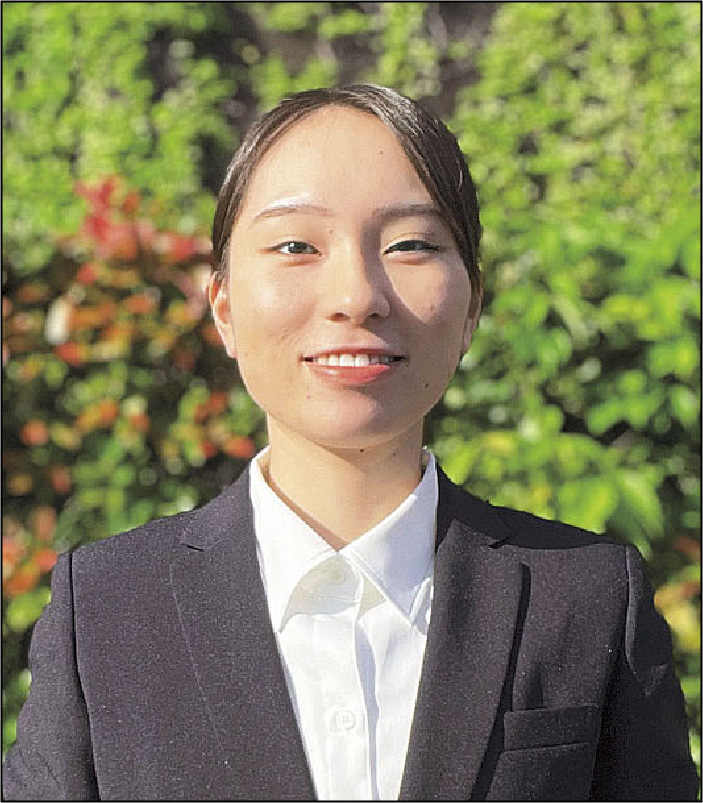
Yuuki Tsukui
Munakata High School / Fukuoka
- Employment
- Shimizu Construction Co., Ltd.
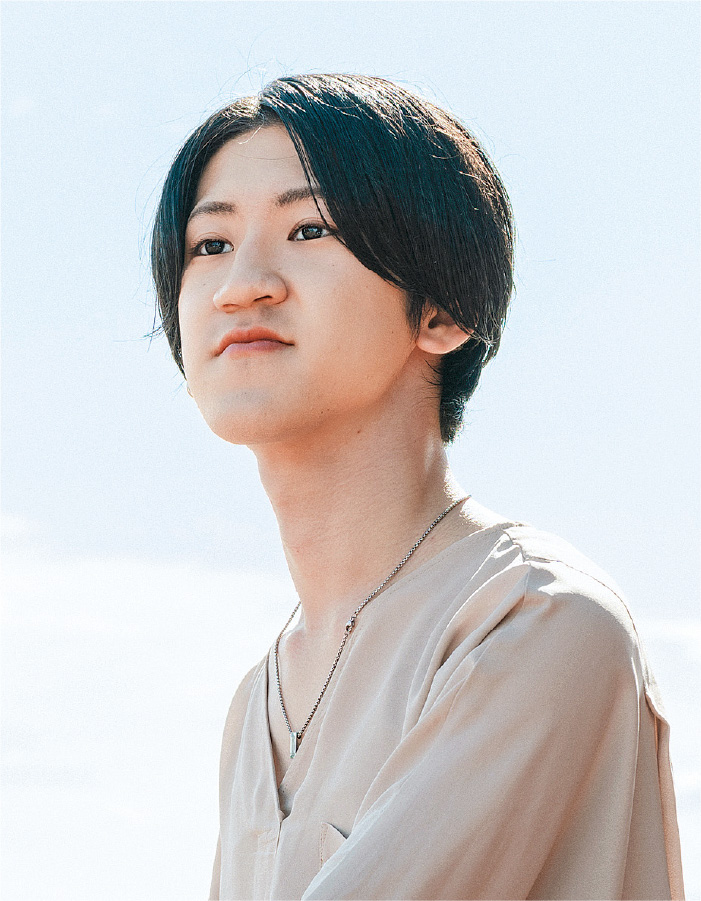
What I particularly focused on was visiting actual workplaces and experiencing the atmosphere firsthand—in other words, site visits. My job search began with self-analysis, finding an industry that suited me, and then conducting industry research. While company information sessions provide a lot of information, I felt that ultimately, what's most important is "seeing the people." I narrowed my focus to the general construction industry, and by visiting various construction sites, I was able to experience the characteristics and atmosphere of each company, which became the deciding factor in my company selection.

If you cannot view PDF files, please download Adobe Reader.