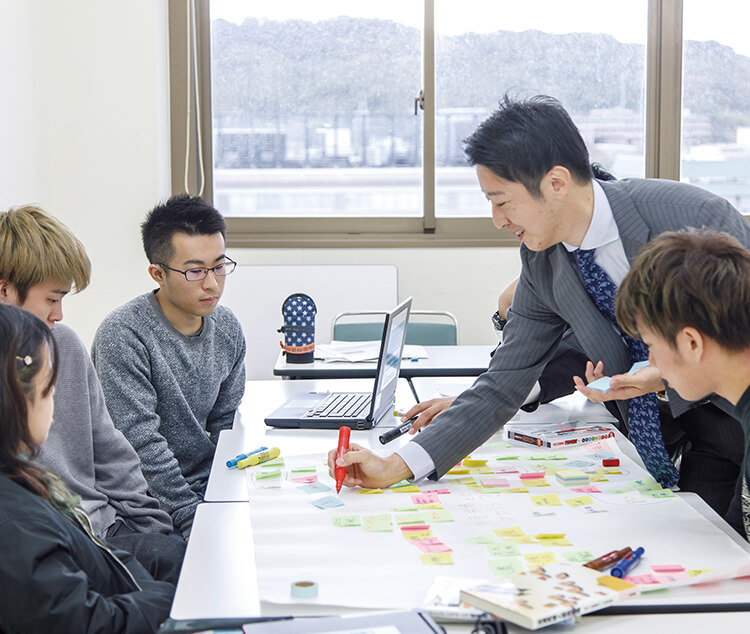
On August 6th (Thursday) and 7th (Friday), 2026, we will be supporting the operation of the traditional Tanabata Festival, held according to the lunar calendar at Shikaumi Shrine (Higashi Ward, Fukuoka City). Faculty of Collaborative Regional DevelopmentDepartment of Tourism Professor Takefumi Nagamatsu Seminar (Graduation Research Seminar I: Tourism and Regional Development Project) and the same faculty Department of Regional Development Professor Tsuyoshi Suematsu Students from the seminar (Graduation Research Seminar I) participated in this as a community-based practical activity.
Prior to the festival, the students visited Shikanoshima in June. They learned about the history and culture of the area, including Shikaumi Shrine, and received an explanation of the shrine's origins and history from the shrine's chief priest, Azumi, deepening their understanding of the region.
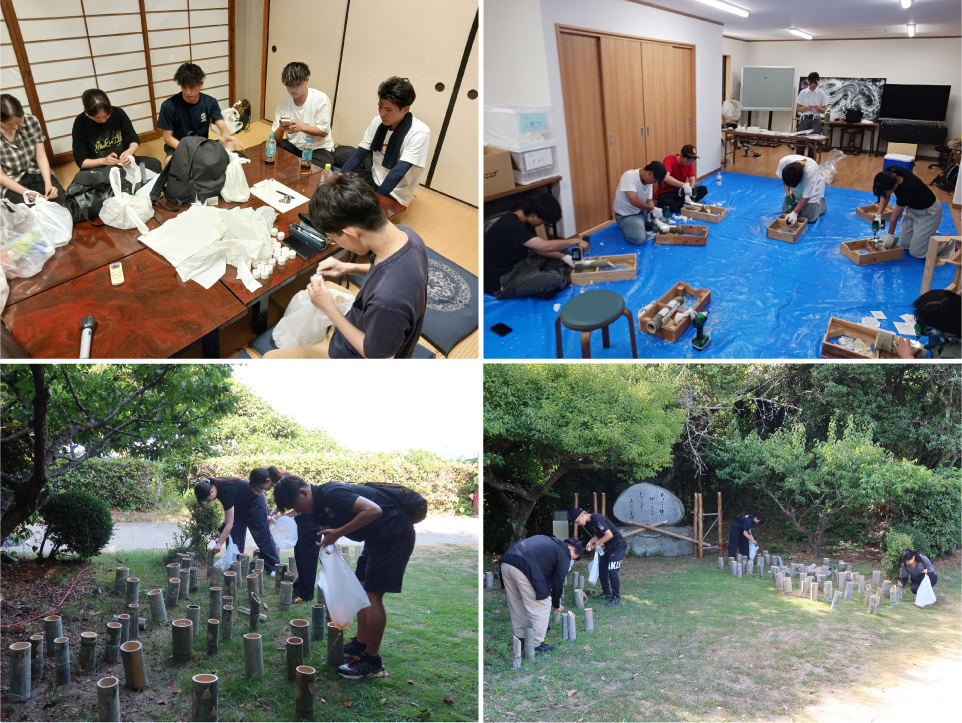
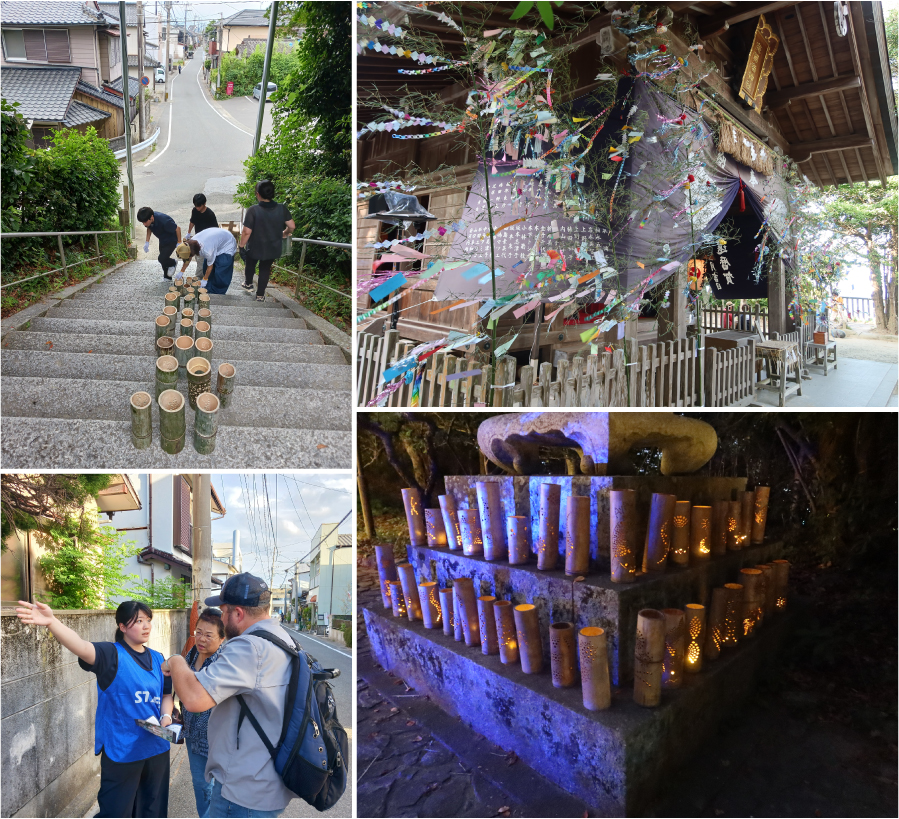
After that, preparations for the festival began in the latter half of July, and I was in charge of making the bamboo lanterns. I carefully made each one in between classes at the shrine and on campus. On Wednesday, August 5th, the day before the festival, I set up the bamboo lanterns I had made on the shrine grounds and prepared the bamboo branches to be displayed in front of the main hall.
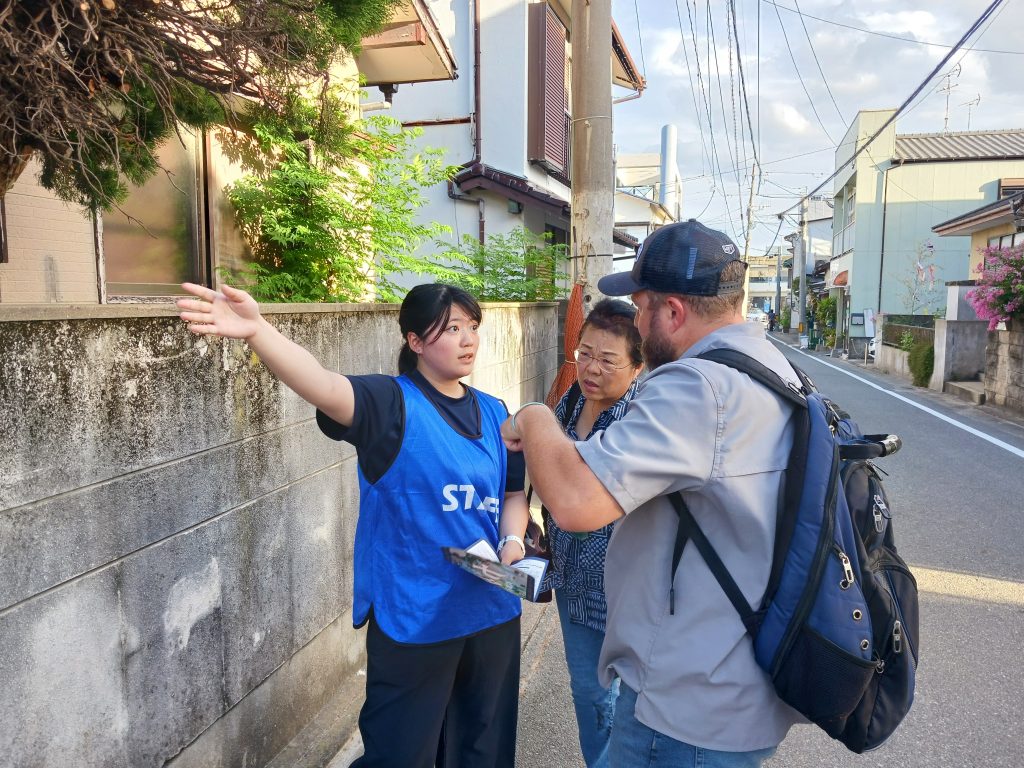
On the day of the festival, we lit bamboo lanterns to illuminate the approach to the shrine and the shrine grounds, creating a magical atmosphere to welcome worshippers. In addition, as part of the staff, we guided foreign tourists and worshippers from outside the island along the approach to the shrine, and we also collected visitor counts within the shrine grounds to gather basic data for planning the next year's festival.
This year marked the third time this initiative has been held. Despite the intense heat, the students worked behind the scenes, contributing to the operation and atmosphere of the summer night festival. Furthermore, through interaction with local residents and worshippers, it was a valuable opportunity to deepen their understanding of local culture and to practically learn about the role that local traditional events play as tourism resources and efforts to promote their appeal.
[Faculty of Collaborative Regional Development]